








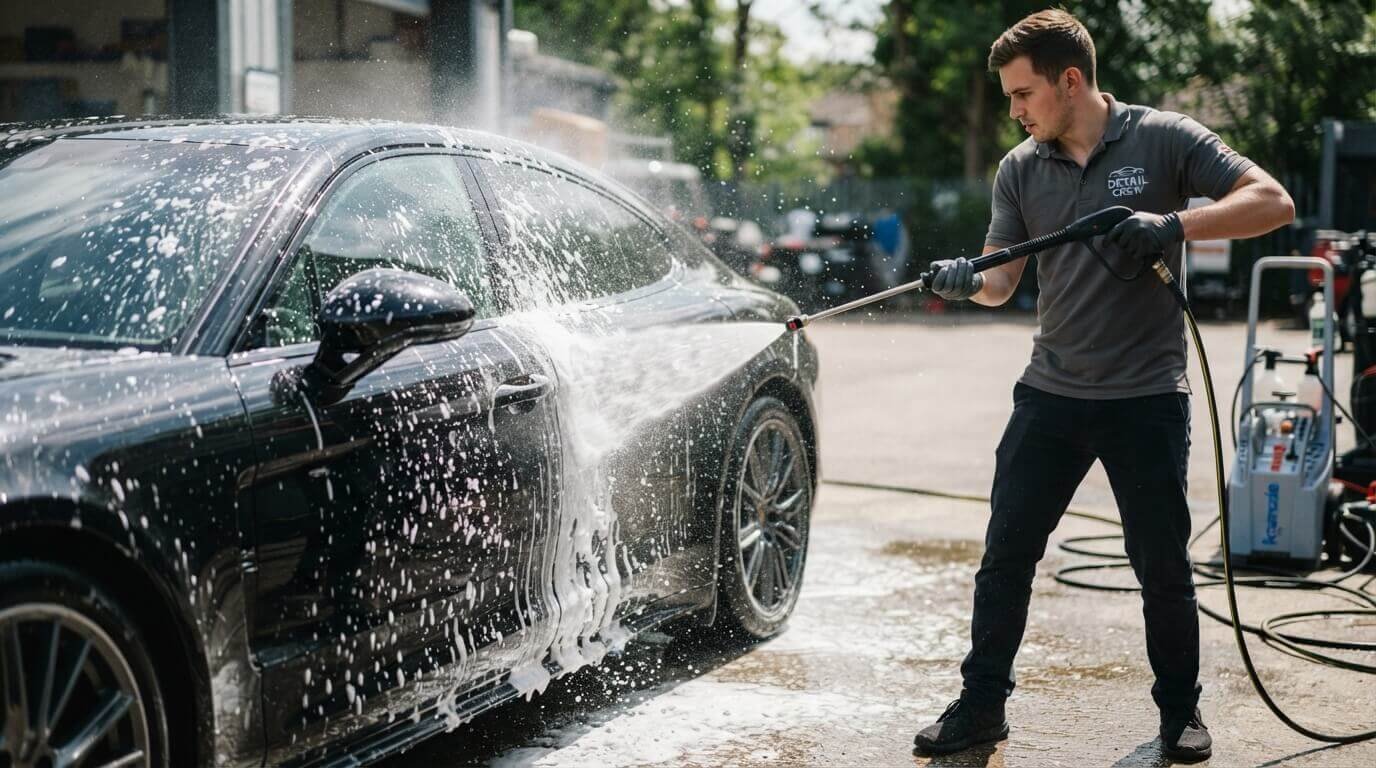
Power washer car cleaning is about using high-pressure water flow for removing dirt, grime, road salt and other contaminants from vehicle exterior, without doing heavy scrubbing that traditional hand washing usually needs. This method depends on concentrated water pressure, sometimes with a foam or soap attachment added, so that debris lifts off from the paint surface before wiping or rinsing takes place. Since most of the work is done by water pressure itself, this cleaning approach becomes faster, and in many cases gentler on the vehicle finish, than using rags or brushes which can trap grit and cause small scratches over time.
What Actually Happens During the Cleaning Process
When water gets forced through a narrow nozzle under high pressure, a concentrated stream is created that breaks the bond between dirt particles and car surface. This works differently than a garden hose, which mostly depends on water volume instead of force. The pressurized stream physically knocks loose the mud, dust, pollen and other residue, so it slides away rather than getting rubbed further into the paint.
Machines used for this kind of cleaning are mostly electric or gas powered, and they come with settings that can be adjusted for pressure. Lower settings usually get used for rinsing soap away, while higher ones are meant for stubborn buildup in places like wheel wells, undercarriage or tire treads.
Why Water Pressure Matters More Than People Think
Pressure output gets measured in pounds per square inch, which is commonly called PSI, together with gallons per minute, known as GPM. Both numbers combined decide how strong the cleaning force is and also how fast a surface gets rinsed clean.
If pressure is too low, dirt often stays behind. But if pressure is too high, especially when nozzle is held very close to surface, wax can get stripped, trim may get damaged, or water could get pushed into seals and electrical parts. This is the reason why distance and angle of the nozzle plays such an important role in how safe and effective this cleaning process turns out to be.
Is Power Washing Safe for a Car’s Paint?
This question comes up very often in searches, and the answer mostly depends on technique rather than just the equipment being used. When done in correct way, with proper nozzle tip and safe working distance kept, this method is generally considered safe for most factory paint finishes found on modern cars.
Problems mostly happen when a narrow nozzle tip gets used, or wand is held too close, or too much pressure is applied directly onto decals, trim edges or paint chips. For exterior body panels, wider fan nozzles along with moderate pressure settings are usually suggested, while narrower tips get saved for tougher spots such as wheels or undercarriage area.
How Is This Different From a Regular Garden Hose Wash
With a standard hose, water flow and manual scrubbing are what mostly clean the dirt away. Since there is very little force behind such water, hand pressure and friction end up doing most of the cleaning work, and this raises the chance of scratches forming from trapped grit.
High-pressure cleaning lowers the need of direct hand contact. Because water itself is doing the lifting work, fewer passes with a sponge or mitt become necessary, and this brings down the chances of swirl marks or surface abrasion happening.
What Parts of a Vehicle Benefit Most From This Method
Some areas of a car collect heavier buildup than others, and these respond particularly well when pressurized water is used on them.
- Wheel wells and undercarriage, places where mud and road salt tend to collect
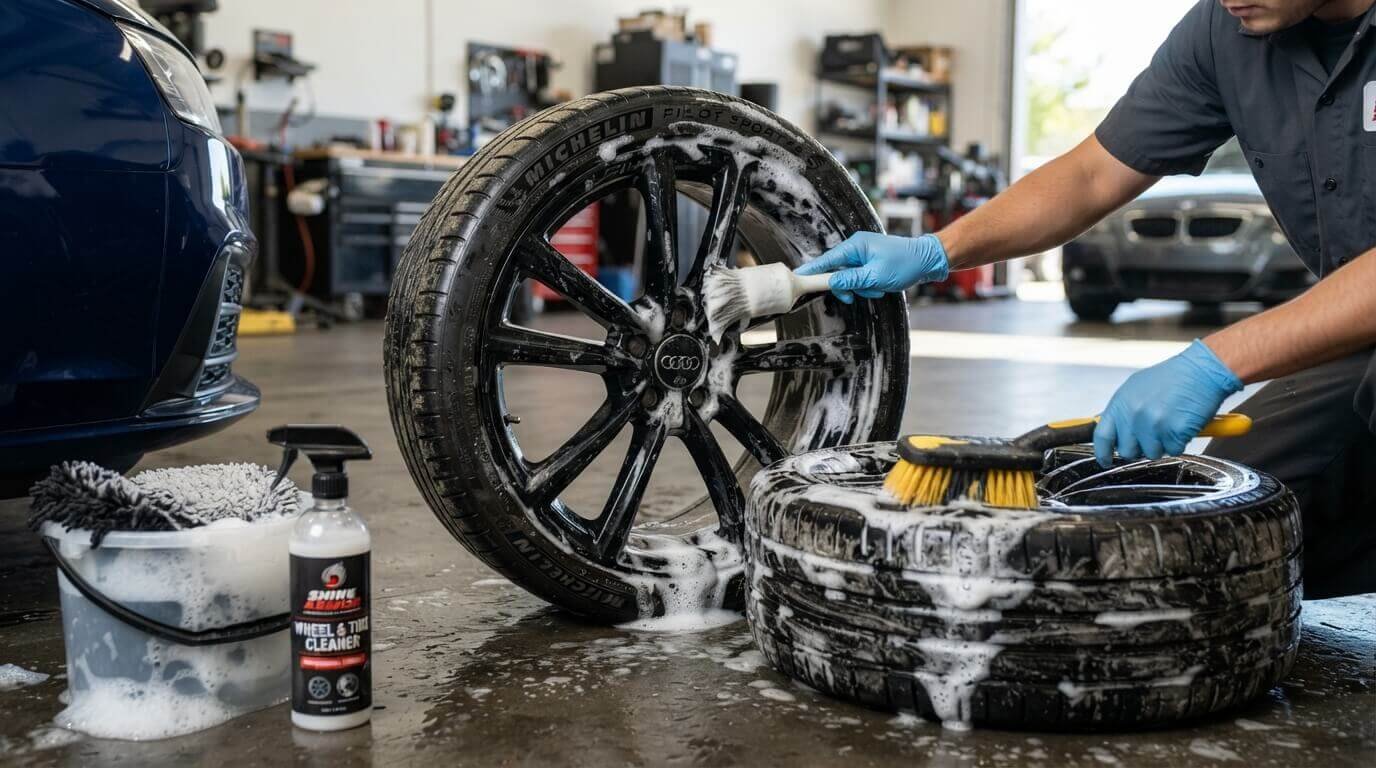
- Tire treads and rims, which trap brake dust along with other grime
- Door jambs and lower panels, areas prone to splashback dirt
- Grille and bumper sections, where insects and debris often stick
Such sections generally need stronger force compared to flat body panels, which makes adjustable pressure settings quite useful in these cases.
Does Frequency of Washing Affect Long-Term Paint Condition
Washing on a regular basis, no matter if done by hand or through pressurized water, helps in stopping contaminants from bonding onto the clear coat as time passes. When dirt, tree sap or road salt stays on a surface for too long, it can lead toward oxidation or etching, particularly for vehicles that face harsh weather often.
It is really the consistency of washing intervals, more than which tool gets used, that tends to affect how well a vehicle’s finish holds up across the years.
Final Thoughts – Power Washer Car Cleaning
Power washer car cleaning gives a quicker and more thorough way for removing dirt and grime, when compared with traditional hand washing, especially for hard to reach spots like wheel wells and undercarriage. When correct nozzle gets chosen, along with safe distance and moderate pressure settings, it stays one of the most efficient methods for keeping a vehicle’s appearance maintained, without causing unnecessary damage to the surface.