








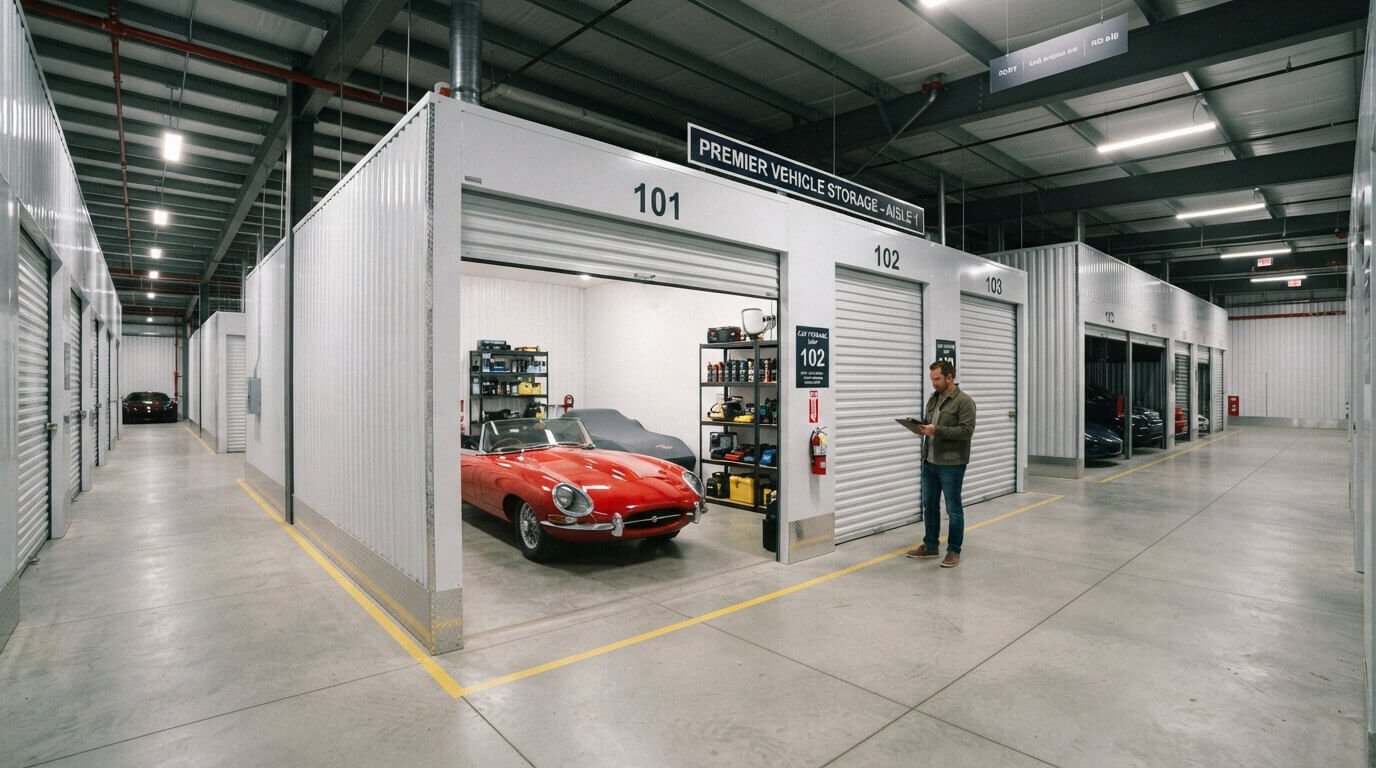
For keeping vehicles safe when not in daily use, car storage units are dedicated spaces made for this purpose. From simple outdoor parking spots to fully enclosed, climate-controlled garages, these units are built specifically for protecting a vehicle from weather, theft, and general wear. When driveway space is limited, or a seasonal vehicle needs a place to sit for months, many people turn towards car storage units as their solution. Because more households now own multiple vehicles, RVs, or classic cars needing extra protection, this type of storage has become more popular over recent years.
What Makes Car Storage Units Different From Regular Parking
Sun, rain, dust, and changing temperature, a standard parking spot gives no protection against any of these things. Car storage units, however, are constructed keeping the vehicle’s long-term condition in mind. Several tiers of protection are offered by many facilities, such as:
- Outdoor uncovered spaces, which work well for basic and budget-friendly storage
- Covered parking, shielding the car from rain and also direct sunlight
- Enclosed units, fully protecting the vehicle from both weather and outside access
- Climate-controlled units, keeping temperature and humidity levels steady
Depending on the vehicle’s value, its age, and for how long it stays in storage, each option can serve a different purpose.
Why Do People Use Car Storage Units?
Several common reasons exist for why a vehicle ends up in storage instead of staying at home. During months away, seasonal residents often need a place to store their car. For military members and students too, storage becomes necessary while stationed somewhere else or living on campus. To protect condition and value, collectors and classic car owners often store their vehicles. Also, families owning more cars than their driveway can hold rely on storage, keeping extra vehicles safe without cluttering the property.
How Does Climate-Controlled Car Storage Protect a Vehicle?
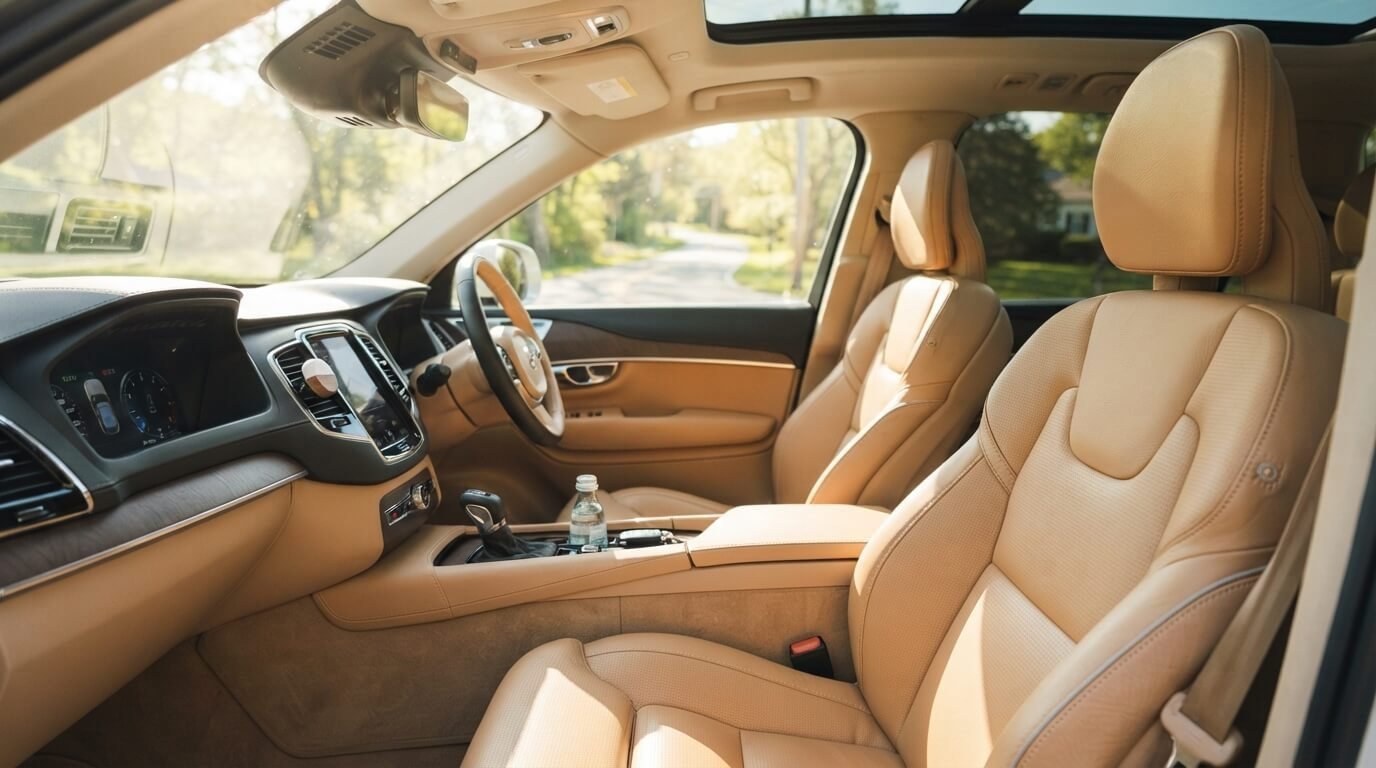
Within a consistent range, climate-controlled storage keeps both temperature and humidity. This is important because rubber seals, dashboards, and paint can get damaged by extreme heat, while rust, mold, and battery corrosion can be caused by excess moisture. For vehicles not being driven for several months or more, this natural wear slows down a lot because of a stable environment.
What Should Be Done Before Storing a Car?
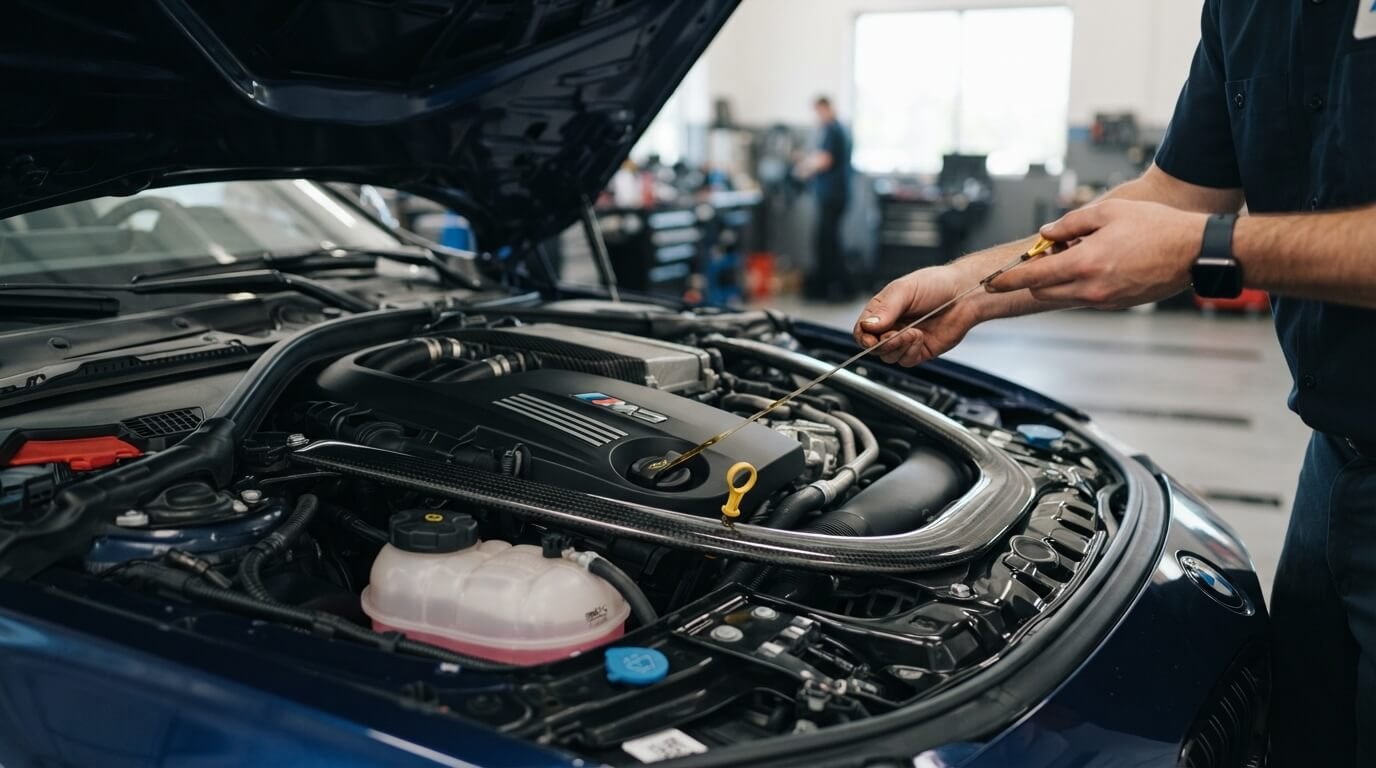
Later problems can be prevented if a vehicle is prepared properly before going into storage. Some common preparation steps are the following:
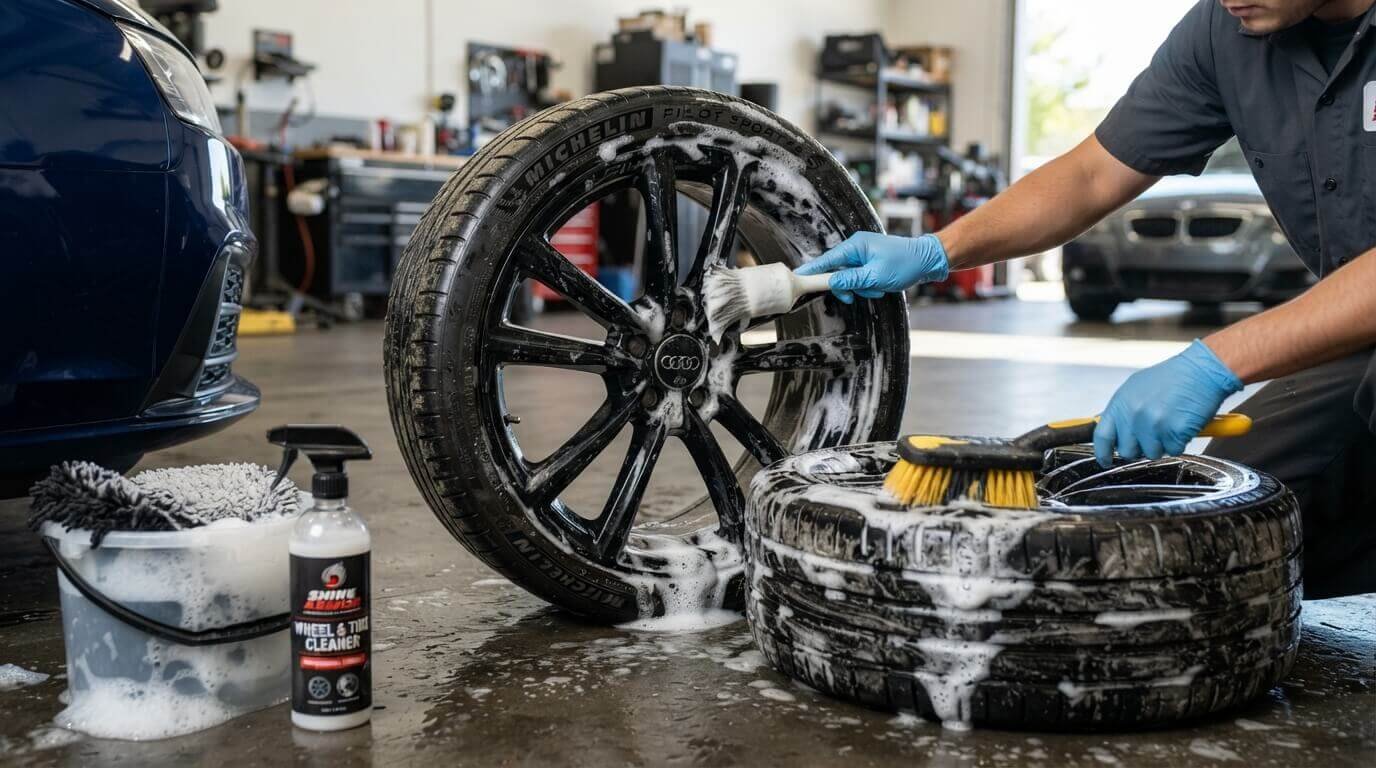
- Removing dirt and debris by washing and drying the car before it sits for a long time
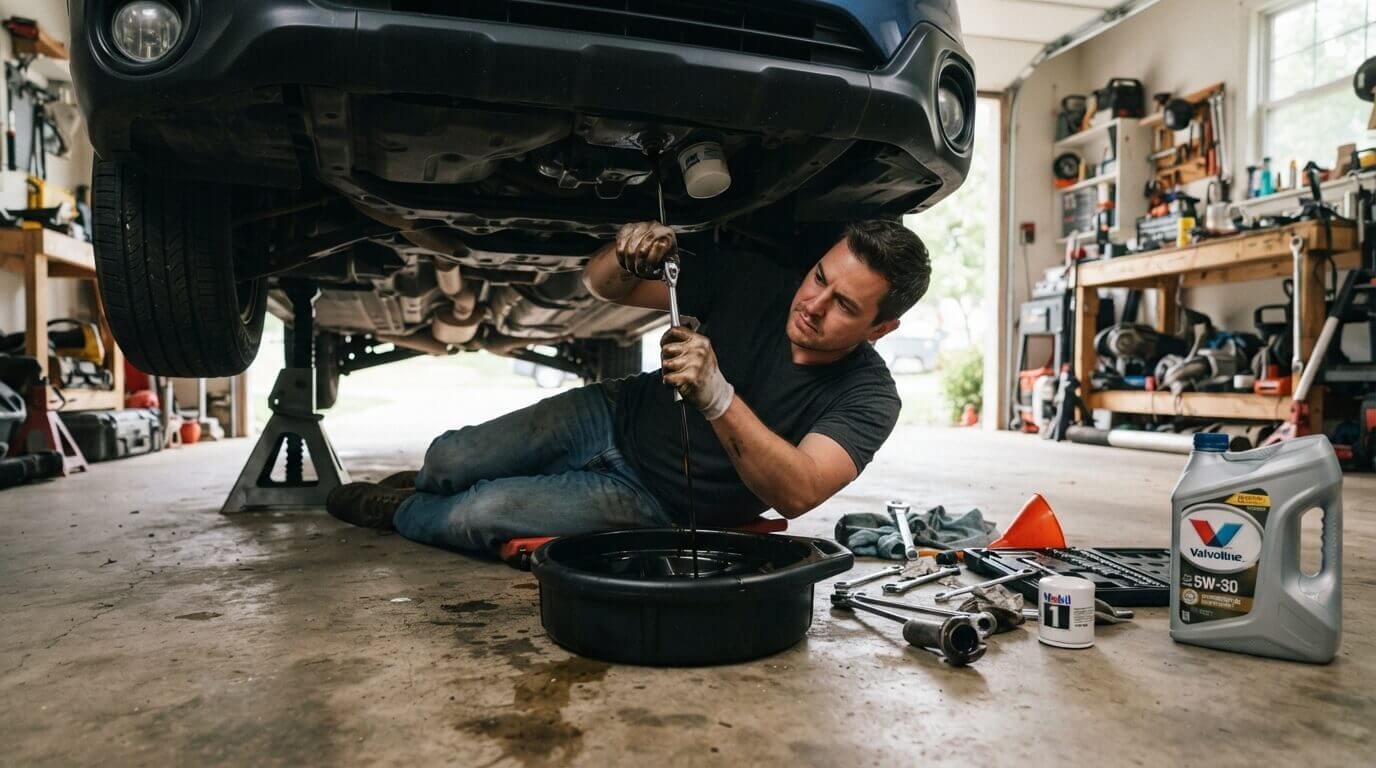
- If several months of storage are expected, changing the oil beforehand
- To prevent fuel degradation, filling the tank and adding a fuel stabilizer
- Avoiding a completely drained battery by disconnecting or maintaining it
- Preventing flat spots by inflating tires to correct pressure
Once the vehicle comes out of storage, these steps help in reducing chances of mechanical trouble.
Is Outdoor Storage Safe for a Vehicle?
For vehicles more resistant towards weather exposure, or for short-term needs, outdoor storage can be a reasonable choice. However, paint can fade and seals can get damaged from prolonged sun and rain exposure, also increasing rust risk over time. When covered or enclosed storage isn’t available, using a breathable car cover can help reduce this damage to some extent.
How Long Can a Car Stay in Storage?
There isn’t any strict limit on how long a vehicle stays in storage, though more preparation is needed for longer periods. Minimal upkeep is needed for cars left just a few weeks, while battery maintenance, fuel stabilization, and periodic checks become beneficial for vehicles stored six months or longer, preventing seized components or flat tires. From short-term monthly rentals to long-term yearly agreements, many facilities allow flexible storage durations.
What Security Features Do Car Storage Facilities Typically Offer?
For anyone storing a vehicle away from home, security remains a major consideration. Some common features include the following:
- Individual entry codes with gated access
- Cameras for surveillance, monitoring the property
- Lighting on-site, for visibility during nighttime hours
- On enclosed units, individual locks or alarm systems
Throughout the storage period, these features help give vehicle owners confidence that their car stays protected.
Final Thoughts
On the vehicle’s value, how long it stays stored, and what level of protection is needed from weather and security risks, choosing the right storage option depends. Whether parked for a few weeks or left for a longer period, car storage units offer a practical way of keeping a vehicle safe, which makes them a reliable choice for drivers needing extra space and added protection for their vehicles.