








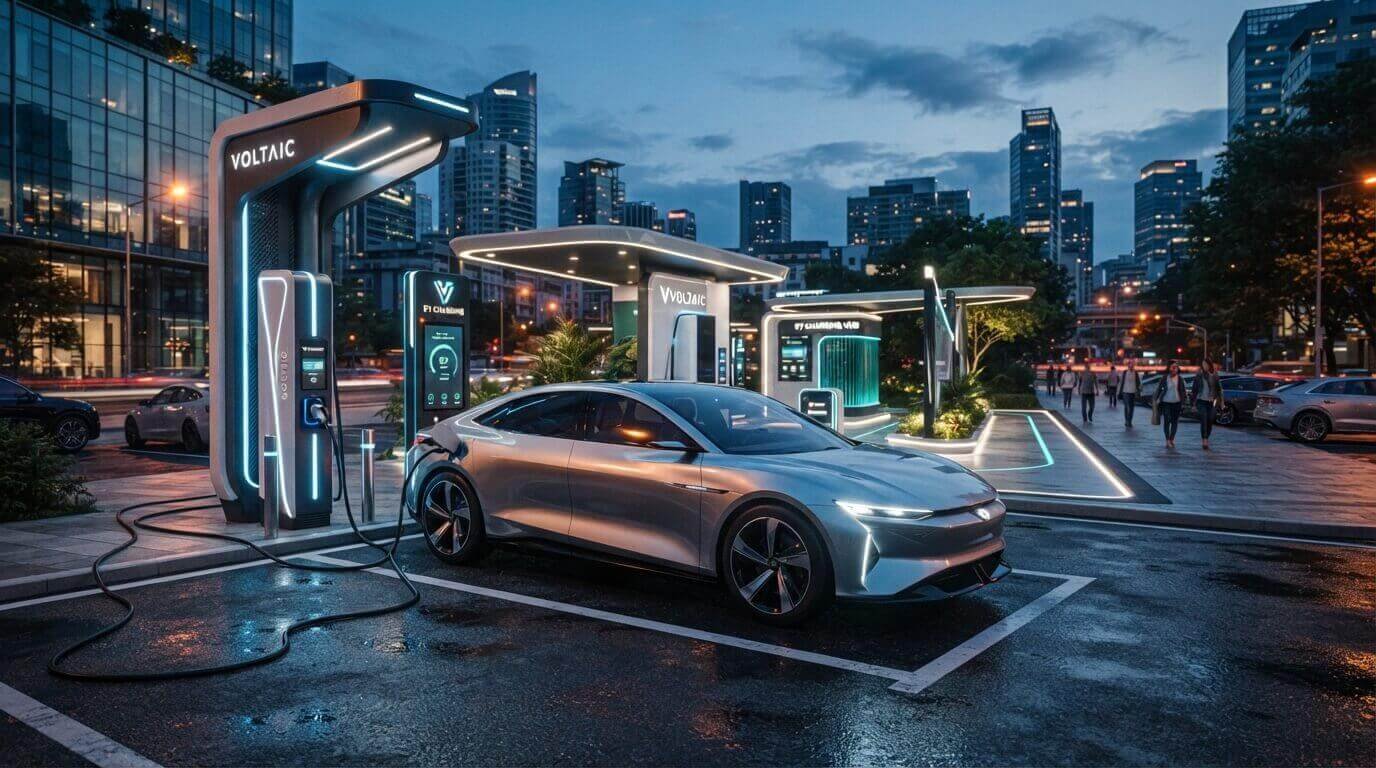
Best electric cars, in general, get defined through a mix of driving range, charging speed, battery reliability, interior technology and value for money that owners actually get. People who search for this term, mostly, they want to understand which electric vehicles perform well in real situations, not only which ones look good on paper with high specifications. In this article, what actually separates a good electric car from an average one gets explained, based on real performance data, ownership behavior and technology trends that are shaping this industry right now.
What Makes an Electric Car Stand Out From the Rest?
When an electric car balances several factors together, only then it earns a strong reputation. Range and efficiency are important, yes, but comfort, cabin technology and how the vehicle behaves in daily driving also matter a lot. If a car gives excellent range but the interior feels cramped or software keeps failing, rarely such car gets counted among top performers. Reviewers and testing teams, they usually check categories like acceleration, ride comfort, cargo space and build quality before giving any final score to a vehicle.
How Much Range Do Top Performing Electric Cars Offer?
Range is one topic that gets searched the most when people think about electric vehicle ownership. Between 250 and 400 miles on full charge, this is what most modern electric cars offer nowadays, depending on how big the battery is and how heavy the vehicle is. Larger SUVs and trucks, they consume more energy usually, so their range comes out slightly lower compared to sedans and compact crossovers. Real world range and official estimated range, these two often do not match exactly, because driving speed, outside temperature and road terrain all affect the final number. Especially in cold weather, range can drop noticeably, and this becomes an important point for people living in colder regions.
What Role Does Battery Technology Play in Long-Term Performance?
Every electric vehicle stands on battery technology as its foundation. Lithium-ion battery packs, most current models use this type, and these are built in a way that they keep most of their original capacity even after years of regular use. Battery degradation happens naturally, this is true, but it happens slowly, slower than what many people usually expect. In studies where millions of real-world miles got analyzed, it was found that batteries still hold more than 90 percent of their original capacity even after five years of normal driving. Because of this reason, electric vehicles now get seen more as a stable long-term investment rather than something experimental for short term.
How Fast Do Electric Cars Charge Compared to Each Other?
From one model to another, charging speed changes a lot, mainly because battery chemistry and onboard charging hardware are different in each vehicle. Some vehicles, using fast charging stations, can add more than 150 miles of range within just 20 to 30 minutes, while other vehicles take much longer time for the same. For daily use, home charging stays the most convenient option, since vehicle can charge overnight and stay ready with full battery every morning. When it comes to long trips, public fast charging becomes more useful there, because time efficiency matters more in that situation.
What Types of Electric Cars Are Currently Available?
Compact sedans alone, this is not where electric vehicle market stays limited anymore. Nowadays, buyers get to choose from small hatchbacks, midsize sedans, compact and midsize SUVs, three row family SUVs, pickup trucks and even performance focused models made purely for speed. Luxury electric vehicles too have grown a lot in popularity, offering longer range, premium interior material and advanced driver assistance features. Because of this much variety, electric vehicles are no longer connected with only one type of buyer or one kind of lifestyle.
How Does Driving Performance Compare to Traditional Vehicles?
Acceleration, this is where electric and traditional vehicles show one of the most noticeable differences. Since electric motors deliver torque instantly, power becomes available right away, without any delay that normally comes with traditional engines. Because of this, acceleration feels quicker, power delivery feels smoother and overall ride feels quieter too. Due to battery placement, many electric vehicles also get a lower center of gravity, and this improves handling along with stability, especially during turns.
Why Is Interior Technology Becoming a Bigger Factor in Rankings?
As important as mechanical performance, interior technology has also become in electric vehicle evaluation nowadays. Large touchscreen displays, advanced driver assistance systems, over-the-air software updates and voice controlled features, these are now considered normal expectations, not premium extras anymore. Vehicles that keep getting regular software updates, they tend to feel more modern with time passing, since new features and performance improvements can get added without any dealership visit needed.
What Should Be Understood About Ownership and Maintenance?
Compared to traditional vehicles, electric vehicles generally need less routine maintenance, mainly because fewer mechanical moving parts are involved. There is no engine oil that needs changing, no exhaust system to maintain, and because of regenerative braking systems, brake wear also stays reduced. However, some new things come with ownership too, like keeping track of battery health, understanding charging infrastructure and knowing how climate affects performance. These points are different from traditional vehicle ownership, but this does not mean they are more complicated.
Are Electric Cars a Reliable Choice for Everyday Driving?
As electric vehicle technology matured over time, reliability data also improved a lot. Battery management systems, software stability and overall build quality, manufacturers have refined all of these steadily. Early electric vehicles, they did face some doubt regarding long-term durability, this is true, but current data shows that electric vehicles which are maintained properly can perform reliably for many years, often performing even better than what earlier generations of this technology had set as expectation.
What Does the Future Look Like for Electric Vehicle Technology?
Battery efficiency keeps improving, charging networks keep expanding and vehicle range keeps increasing across almost every category, this trend continues steadily. In future, faster charging times, lighter battery materials and better energy efficiency per mile, these are expected to be the main focus areas for advancement. As infrastructure grows bigger and technology becomes more refined, for a wider range of drivers, electric vehicles are expected to become an even more practical choice.
To understand what really defines the best electric cars, one has to look beyond marketing claims and focus more on real-world performance, battery reliability, charging convenience and everyday usability. Range, efficiency, interior technology and long-term durability, all of these play their own role in deciding which vehicles truly stand out from others. As battery technology and charging infrastructure keep evolving further, the definition of best electric cars will keep shifting too, but reliable range, strong performance and long-term value, these core priorities will remain the deciding factor for most drivers.