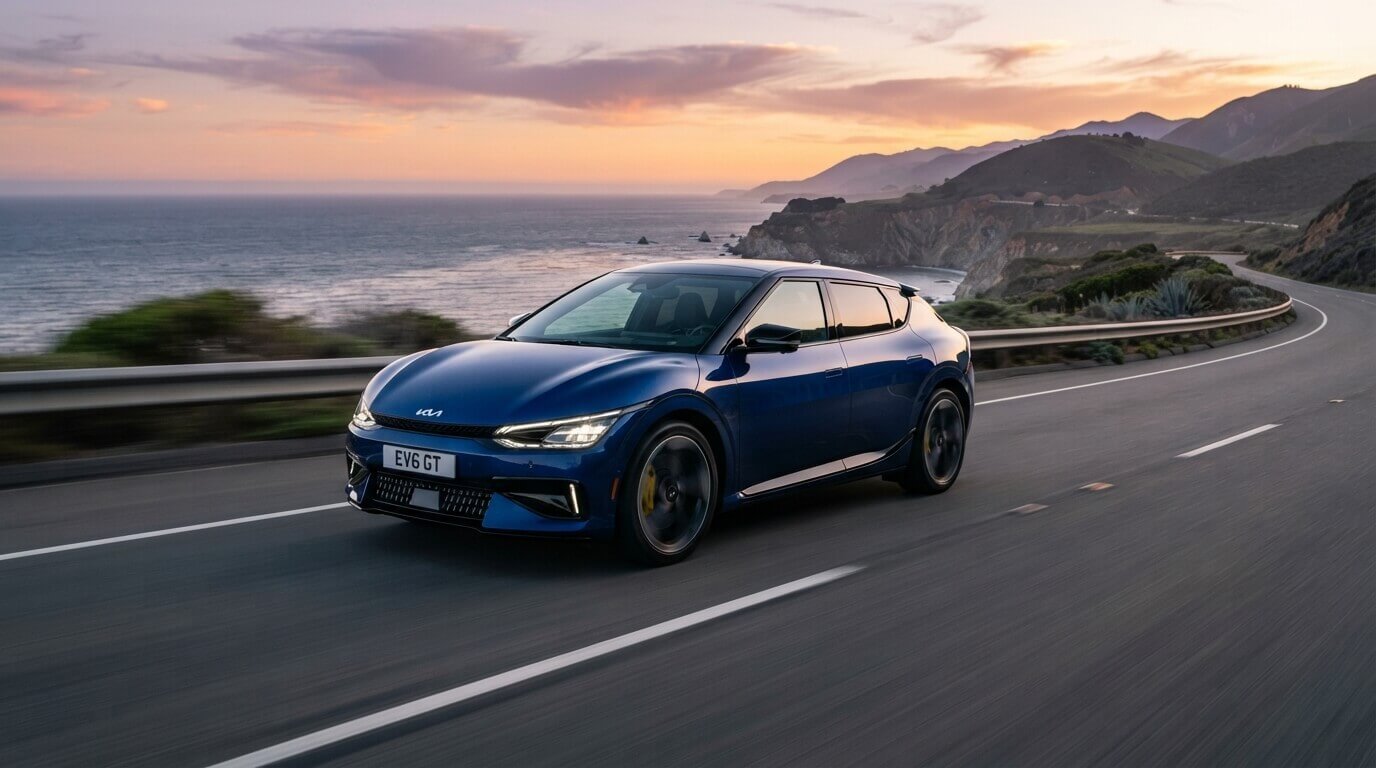









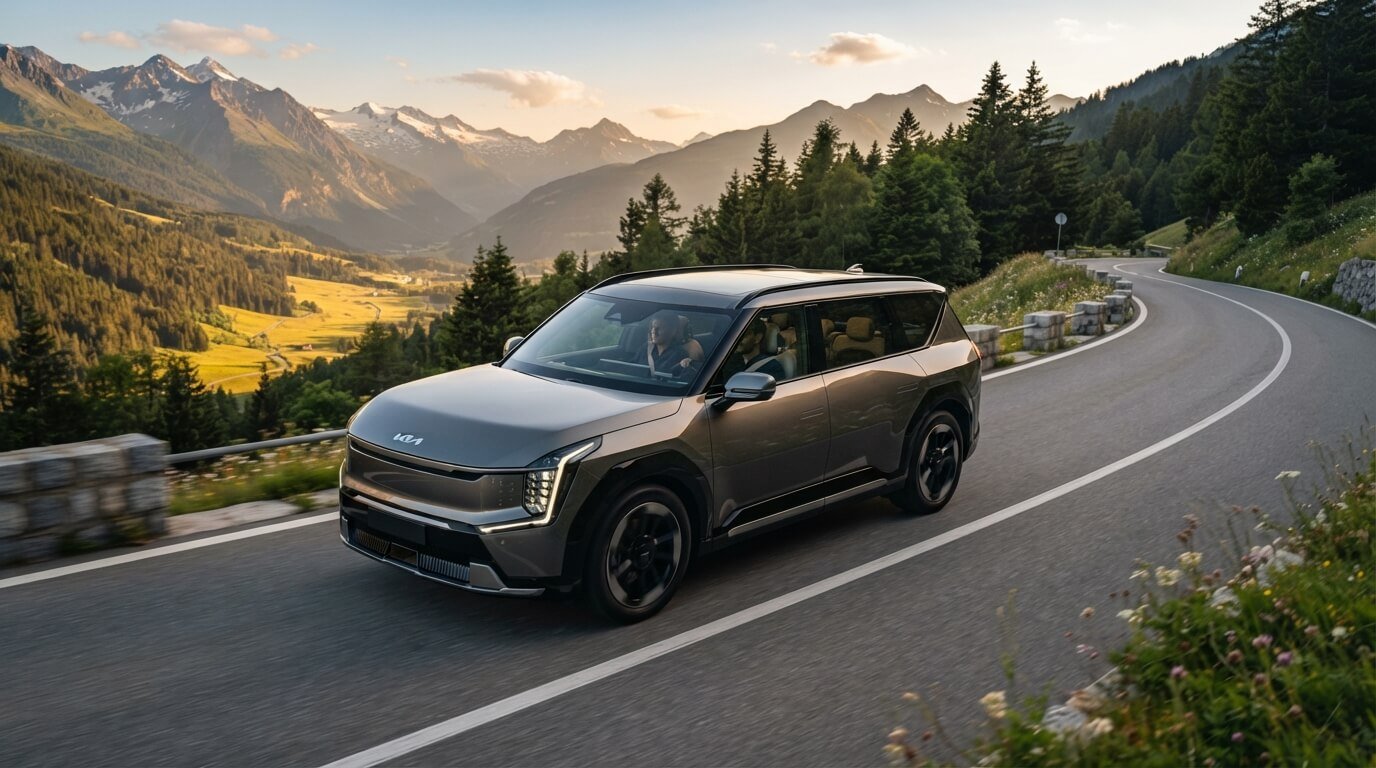
When we talk about a 7 seater electric SUV, basically we are talking about a battery powered vehicle which is made to carry up to seven passengers in three rows, and it runs fully on electric power instead of petrol or diesel. Such vehicles bring together the practicality of a big family car along with the environmental and running cost benefits that come with electric technology, and because of this, they are becoming a popular choice for households who need extra seating but still don’t want to compromise on efficiency. With electric vehicle technology growing more advanced over time, manufacturers have now moved past the small hatchback models and started offering spacious SUVs that can easily transport large families, groups of friends, or even extended relatives on longer trips.
What Makes These Vehicles Practical For Larger Families
For any seven seat vehicle, space is naturally the biggest attraction, and electric SUVs in this category are designed keeping that in mind. Most of the models either come with a genuine three row setup where adult sized seating is available throughout, or they use a 5+2 configuration, in which the last row is more suitable for children or occasional use only. This difference becomes quite important while choosing between models, because some vehicles may feel roomy in the first two rows but turn out cramped once the third row gets used.
Apart from passenger space, boot capacity is also something that matters a lot. A vehicle that has all seven seats occupied will obviously have lesser luggage room compared to one where the third row is folded down, so families who often need both seating and storage space together should check the boot dimensions carefully in both situations.
How Much Driving Range Do These Vehicles Typically Offer
Range can differ quite a lot depending on the battery size and how heavy the vehicle is. Bigger, more premium SUVs in this category usually carry large battery packs, sometimes going beyond 100kWh, which allows official range figures of 350 miles or even more than 400 miles on one full charge. On the other hand, smaller or van based electric seven seaters often give a more modest range, somewhere between 150 to 250 miles, and this number tends to drop further during motorway driving where efficiency is not as good.
In real conditions, the range achieved is usually lower than what is officially claimed, more so in cold weather or when the vehicle is driven at higher speed for long stretches. So anyone comparing different models should look more closely at real world test results instead of just trusting the manufacturer’s claimed figures, since the gap between advertised and actual range can be quite big in vehicles that are heavier or less aerodynamic in shape.
Seating Layouts And Cabin Configurations Explained
Generally, seven seat electric SUVs are offered in two main types of layout.
- Full three row setup, where every row is built to comfortably fit adults, including proper legroom and headroom even in the back row.
- 5+2 layout, where the last row of seats is smaller in size and works better for children, while taller adults may find it uncomfortable during longer journeys.
Some brands also give an option of six seat variants, where instead of a middle bench, individual captain’s chairs are provided, and this focuses more on comfort and premium feel rather than fitting maximum number of people. Which layout to go for usually depends on how often all seven seats are actually going to be used at the same time.
Boot Space And Storage Considerations
The storage capacity in a seven seat electric SUV changes a lot based on how many rows are being used at a given time. When all three rows are occupied, boot space can reduce quite a bit, sometimes becoming as small as what you would expect from a small hatchback. But once the third row is folded flat, it usually opens up much more room, in many cases even doubling the available cargo space.
For families who travel often with full passenger load along with luggage, such as during holidays, this trade off needs to be considered carefully, because a vehicle that appears spacious on paper might actually offer very little practical boot space once every seat is being used.
Charging Speed And Battery Technology
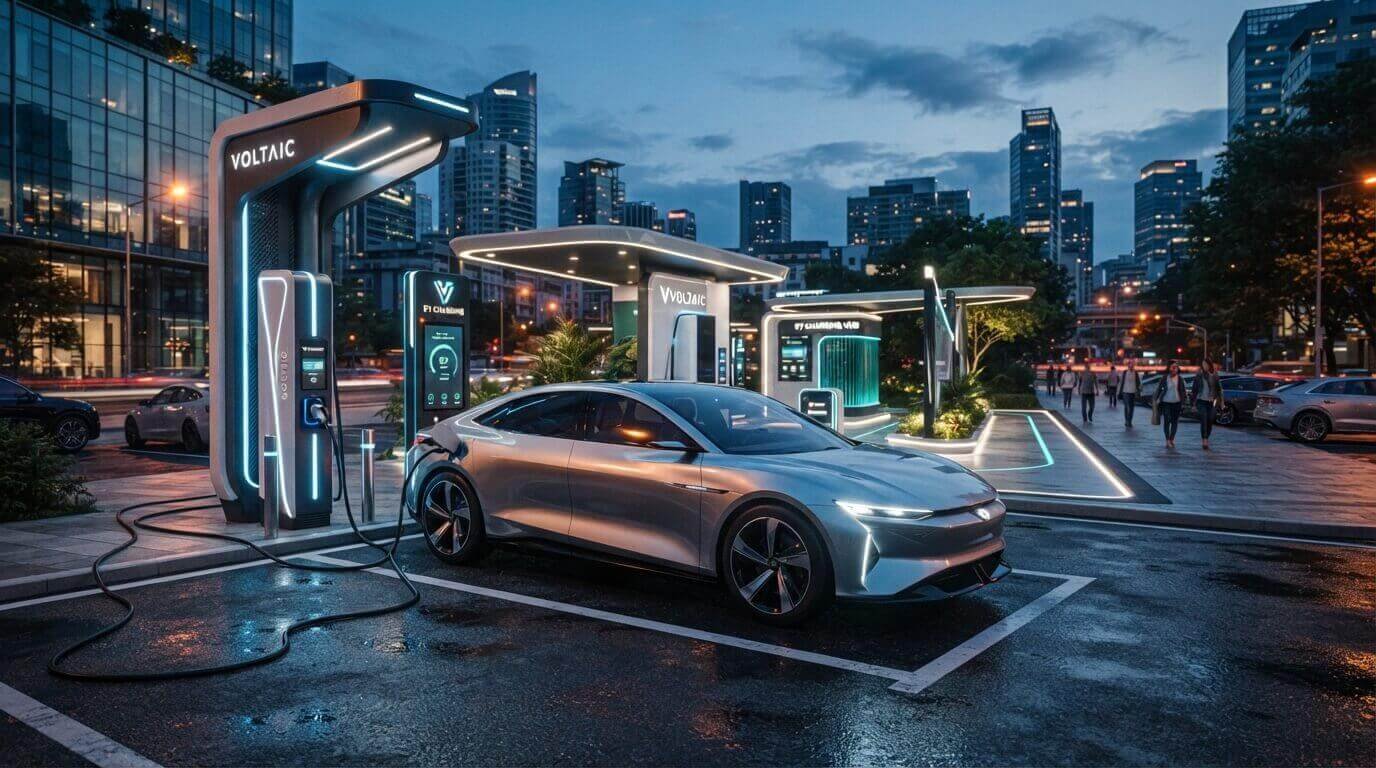
Charging ability is not the same across every model in this category. Premium electric SUVs that are built on dedicated electric platforms mostly support fast charging, which means a 10 to 80 percent charge can be done in about 20 to 30 minutes using a suitable rapid charger. However, vehicles that are adapted from van platforms or use older architecture generally charge at a slower pace, and it can take close to 45 minutes for a similar level of top up.
Battery size also plays its own role in daily usability. A bigger battery means longer range, but it usually also takes more time to charge fully at home through a standard wallbox, and sometimes this can go up to 10 hours or more for a complete overnight charge.
Are Third Row Seats Comfortable For Adults?
This happens to be one of the most common questions people ask while researching this type of vehicle. And honestly, the answer depends fully on the particular model and how its seating has been designed. Vehicles that come with a proper three row layout, especially those built on a longer wheelbase, tend to offer real comfort for adults in the back, with decent legroom, foot space, and headroom.
On the other hand, vehicles that follow a 5+2 layout often compromise when it comes to third row comfort, making those seats more fit for children or short trips rather than long distance travel. Checking exact measurements like legroom and headroom, instead of just going by the seat count, gives a much clearer idea of how comfortable the vehicle really is in practice.
How Do These Vehicles Compare To Petrol Or Hybrid Alternatives?
In general, petrol, diesel, and hybrid seven seaters tend to offer longer effective range and quicker refuelling when compared with fully electric options, along with a wider range of models across different price points. Electric versions, however, come with the benefit of lower running costs, quieter cabins, and reduced emissions, and this makes them appealing for families who care more about long term savings and environmental impact rather than refuelling speed.
Whether to go for electric or a conventional powertrain mostly depends on how the vehicle will be used daily, how easily home or public charging can be accessed, and how often long distance travel is required.
What Affects The Price Of These Vehicles?
Pricing in this segment can vary a lot depending on battery size, how the brand positions itself, and the level of interior specification offered. Bigger battery packs, high quality interior materials, advanced safety features, and six seat luxury setups all tend to push the price higher. Meanwhile, van based electric seven seaters usually sit on the more affordable side of the market, offering good practicality without carrying the premium price tag that usually comes with dedicated SUV platforms.
Final Thoughts
In the end, choosing a 7 seater electric SUV comes down to how well it balances passenger space, driving range, charging convenience, and budget with everyday needs. Families who care more about comfort on long journeys may prefer models offering genuine three row seating along with larger batteries, while those who are more focused on value and city driving might find van based options more practical for their use. Understanding these differences properly helps in making sure the final choice matches real world usage, rather than just going by specifications alone.