







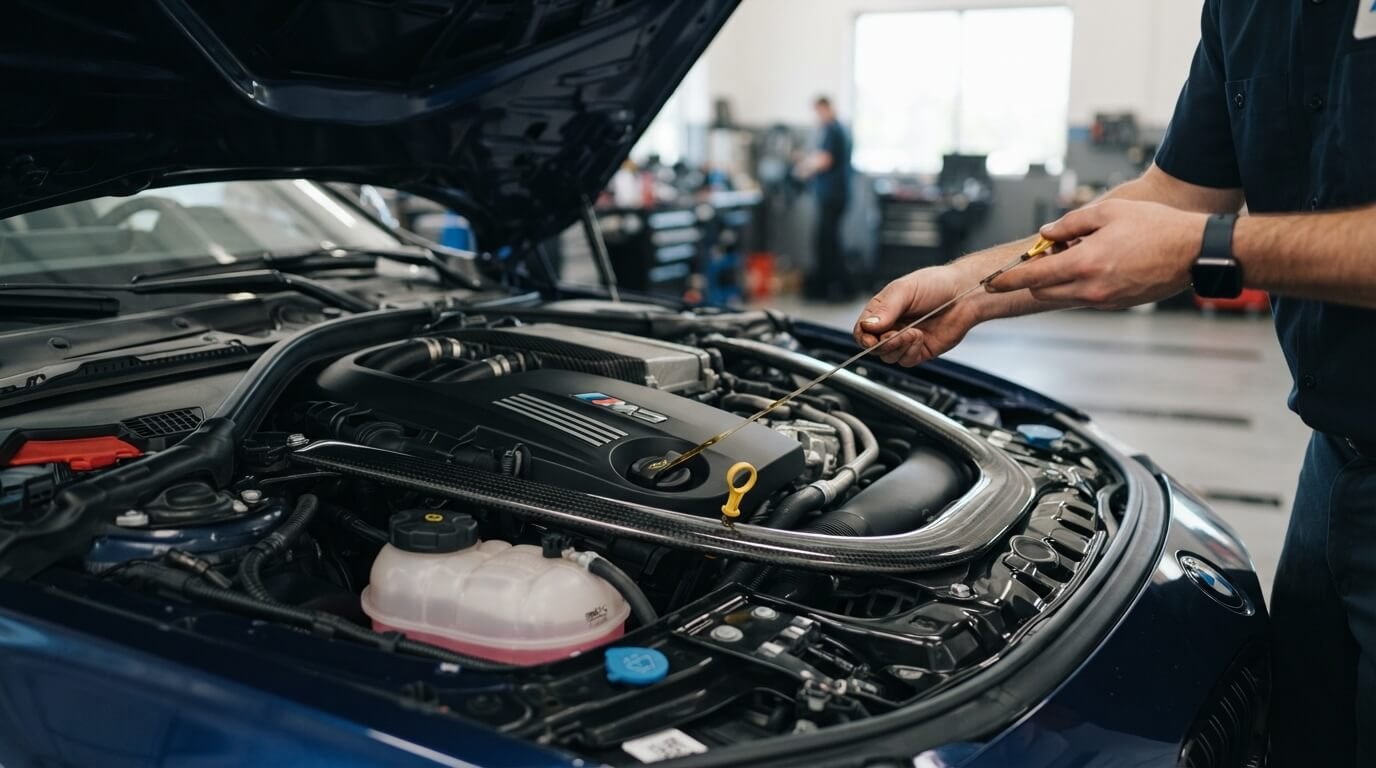
If you want to know how to check car fluids, this is actually one of the easiest habits that keeps a vehicle running well and saves from costly repairs later. Car fluids work like the lifeline of a vehicle. They keep the engine lubricated, brakes responsive, and temperature under control. When fluid levels are checked regularly, small problems get caught before they become major mechanical failures. For this reason, checking fluids should be part of basic maintenance for every car owner.
Why Fluid Checks Matter
Inside a car, every fluid has its own job to do. Some fluids reduce friction between moving engine parts, some help control temperature, while others assist with braking or steering functions. When fluid level drops too low, or fluid becomes contaminated, the parts that depend on it start wearing out much faster than normal. With time, this can cause overheating, weak braking response, transmission trouble, or even engine failure. Doing a quick fluid check on a regular basis can stop most of these issues from happening in the first place.
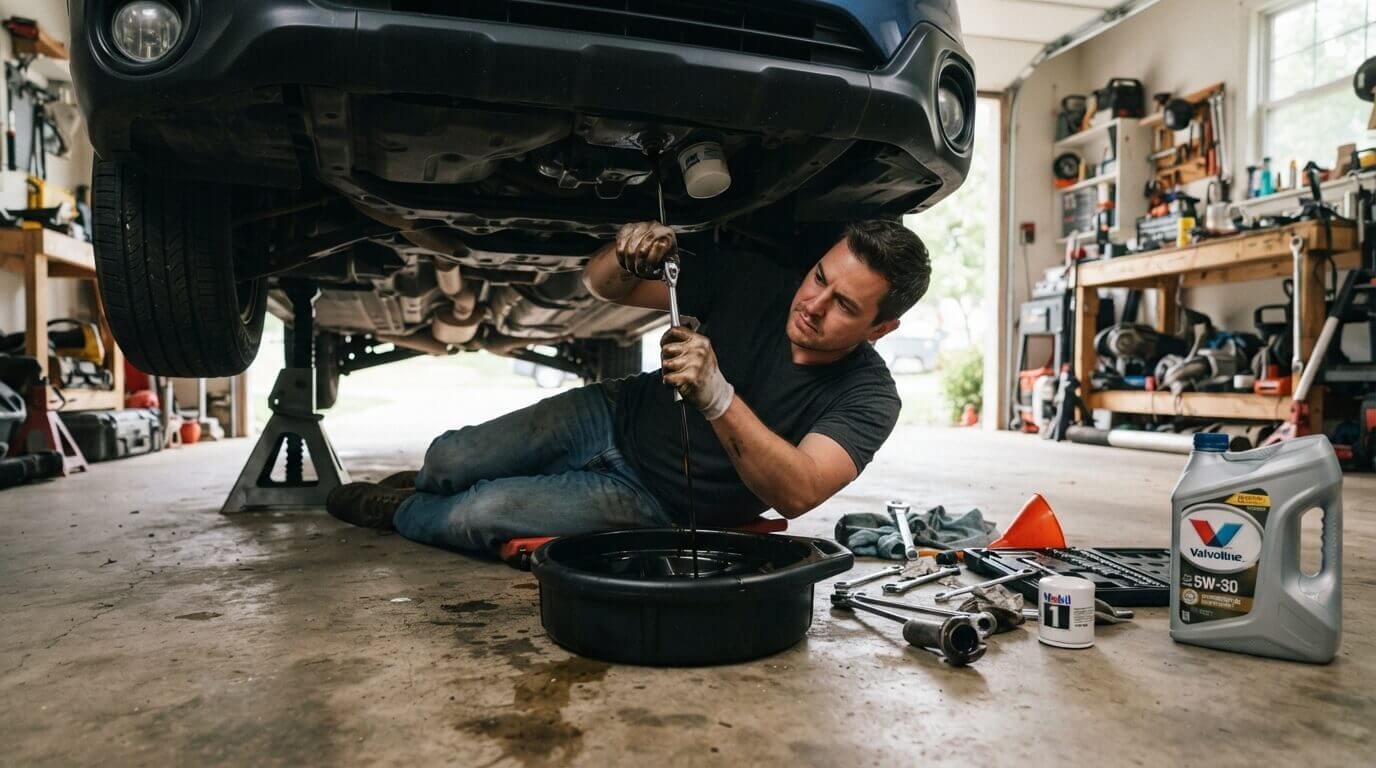
Engine Oil
Engine oil is responsible for lubricating internal engine parts, reducing friction, and helping heat to dissipate properly. In fact, low or dirty oil is among the most common reasons behind engine damage.
For checking engine oil, these steps can be followed:
- Park the car on level ground and allow the engine to cool for some minutes.
- Find the dipstick under the hood, pull it out fully, then wipe it clean.
- Put the dipstick back in completely, then take it out again to see where the oil level sits against the markers.
- Notice the color of the oil too. Fresh oil looks amber in color, but dark or gritty oil is a sign that a change is needed soon.
Most manufacturers suggest checking the oil once every month, while oil change should be done according to mileage guidance mentioned in the owner’s manual.
Transmission Fluid
Transmission fluid makes gear shifting smooth and also cools down the transmission system. When this fluid becomes low or degraded, it often results in delayed shifting or grinding type of noises.
Here is how transmission fluid can be checked:
- While engine is running and warmed up, locate the transmission dipstick.
- Look at fluid color. It should be pink or red normally.
- If fluid appears brown, black, or has burnt smell, it means replacement is needed.
Some of the newer vehicles come with sealed transmissions, and those require a technician for proper inspection. So checking the manual first is always a good idea.
Brake Fluid
Brake fluid is what transfers pressure from the brake pedal to the brake pads, which makes it very important for safe stopping of the vehicle.
To check the brake fluid, following can be done:
- Find the brake fluid reservoir, usually located in the engine bay.
- Make sure that fluid level stays between minimum and maximum marks.
- If fluid looks dark or cloudy, it usually means contamination, and replacement should be considered soon.
Generally, brake fluid needs replacement after every one to two years, though checking it visually once a month is also a good habit to build.
Coolant
Coolant is the fluid that keeps engine temperature regulated, preventing it from overheating during summer or freezing in cold winter months.
For checking coolant level, these steps work well:
- Before opening the hood, make sure engine is completely cool.
- Find the translucent coolant reservoir and check fluid level against min and max lines given on it.
- If level looks low, top it off with correct coolant type, then close the cap tightly again.
Checking coolant twice a year is usually enough, while a full flush is recommended after every two to three years.
Power Steering Fluid
Power steering fluid is what allows smooth and easy turning of the steering wheel. When its level goes low, steering can feel stiff or start making noise.
For checking power steering fluid:
- Locate the power steering reservoir under the hood.
- Check that fluid level is between the marked minimum and maximum lines.
- If level is low, add fluid slowly and avoid overfilling it.
Windshield Washer Fluid
Even though this fluid is not mechanically critical for the vehicle, it plays a big role in keeping visibility clear while driving.
To check washer fluid:
- Find the washer fluid reservoir, which usually has a windshield symbol on it.
- Check the fluid level, then top it up as needed with suitable washer fluid.
How Often Should Car Fluids Be Checked?
For most fluids, a monthly visual check works well, especially for engine oil, coolant, brake fluid, and power steering fluid. Washer fluid, on the other hand, can be checked whenever needed, particularly in rainy or snowy seasons. Full fluid changes usually depend on the mileage and what the manufacturer recommends, and this information is generally listed inside the owner’s manual.
What Happens If Car Fluids Are Not Checked Regularly?
Not checking fluids on a regular basis can lead to many problems, starting from small performance issues to serious mechanical damage. When engine oil is low, engine wear speeds up. When coolant is low, risk of overheating increases. And when brake fluid drops, stopping power becomes weaker. If these checks get ignored for a long time, it usually results in expensive repairs, which could have been avoided easily with just a five minute inspection.
Can Low Fluid Levels Damage a Car Engine?
Yes, low fluid levels can cause direct damage to a car engine. Without proper amount of oil, metal parts inside engine start rubbing against one another, which creates too much friction and heat. In severe cases, this can lead to warped components or complete engine failure. Low coolant level carries a similar kind of risk too, since an overheated engine can end up warping cylinder heads or blowing a gasket.
Warning Signs That Indicate a Fluid Problem
Some symptoms often point toward a fluid related issue, even before any dashboard warning appears:
- Unusual grinding, squealing, or whining type of noises
- Puddles or stains visible under the vehicle
- Dashboard alerts related to oil, coolant, or brake fluid
- Smoke coming out from under the hood or exhaust
Noticing these signs early and taking action quickly can help in avoiding bigger repair costs late
Final Thoughts
Knowing how to check car fluids might look like a small task, but it makes a big difference in how a vehicle performs and lasts over time. Regular checking of engine oil, transmission fluid, brake fluid, coolant, power steering fluid, and washer fluid helps in preventing breakdowns, extending life of major components, and keeping the overall drive safer. Just a few minutes spent under the hood every month can end up saving a good amount of time and money in the long run.