








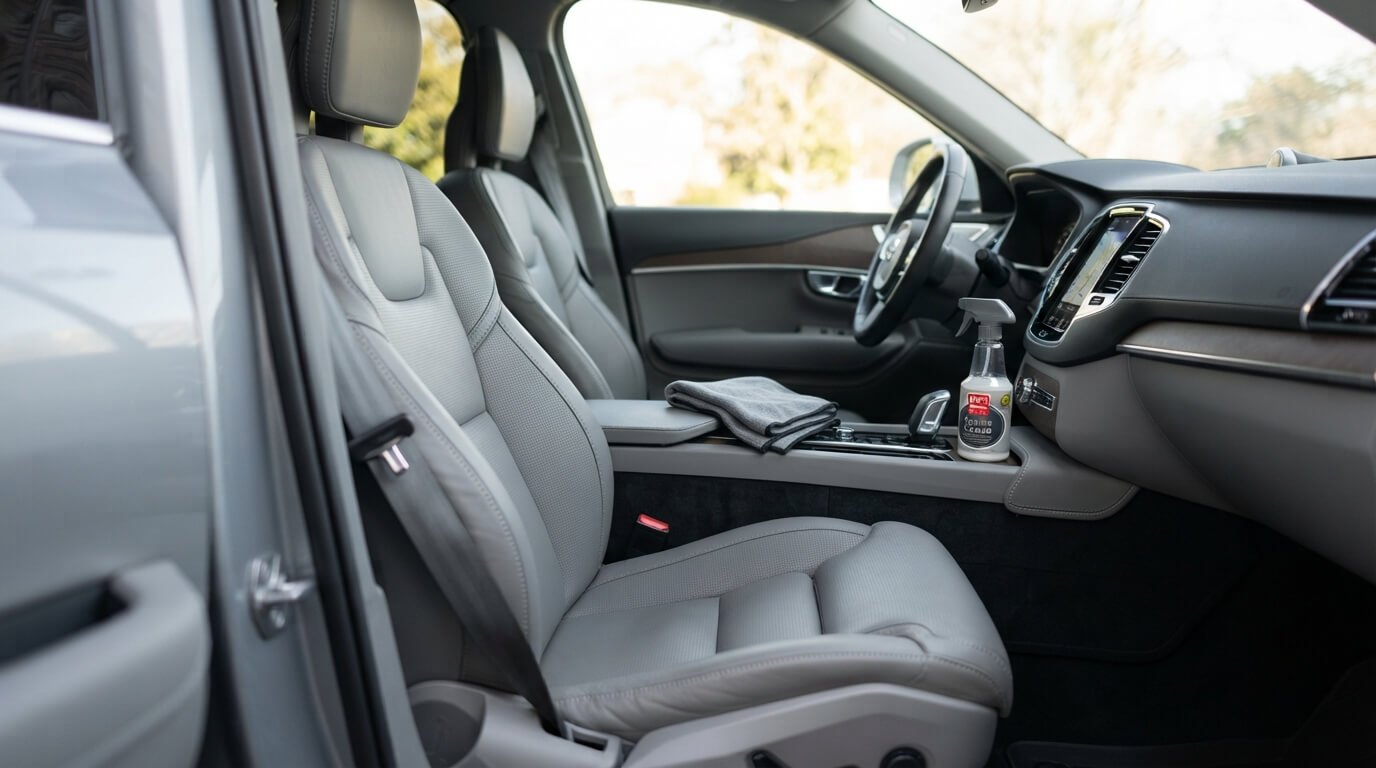
Car seats get cleaned properly by first vacuuming away the loose dirt, then finding out what material the seat is made of, after that applying a cleaning solution that suits it, scrubbing in gentle way, and letting the seats dry fully before anyone uses the car again. Every day the seats collect dust, food crumbs, spills and pet hair, and because of this both the look of the car and the air quality inside gets affected. When cleaning is done the right way, the seats look better and also last longer, no matter if they are made of fabric, leather or some synthetic material.
Why Car Seats Need Regular Cleaning
Since seats are used daily, they become one of the surfaces inside a vehicle that gets exposed the most. Dust goes deep into the fibers, spills soak right into the padding, and over time bacteria can start building up just from normal use. If this keeps happening without cleaning, stains and odors start forming, and sometimes even the fabric or leather gets damaged for good. This is why cleaning on a regular basis stops these problems before they become permanent.
Identifying the Seat Material First
Before any cleaning is started, it is useful to know what the seat is actually made from. Fabric, leather, vinyl and faux leather, each of these material reacts in a different way to cleaning products. If a wrong product gets used on a wrong material, discoloration or cracking can happen, sometimes damage that cannot be fixed. Fabric tends to soak up liquid fast because it is porous, while leather and vinyl stay closer to the surface, so they need products that are gentler and made specially for them.
Removing Surface Dirt and Dust
Vacuuming is always the first step in any proper cleaning process. For open areas, a vacuum with brush attachment does the job well, and for seams, folds or tight spaces between the seat and console, a narrow nozzle attachment works better. When this step gets skipped, dirt often ends up getting pushed deeper into the material during cleaning instead of coming out of it.
Cleaning Fabric Seats
Fabric seats do well with foam upholstery cleaners, or even a simple mix made from water and mild soap. Rather than spraying the solution straight onto the seat, it should go onto a brush or cloth first, because too much liquid soaking in can cause mold or mildew to grow inside the cushioning. Scrubbing gently in circular motion brings dirt up to the surface, and from there a clean microfiber cloth can wipe it away easily.
Cleaning Leather Seats
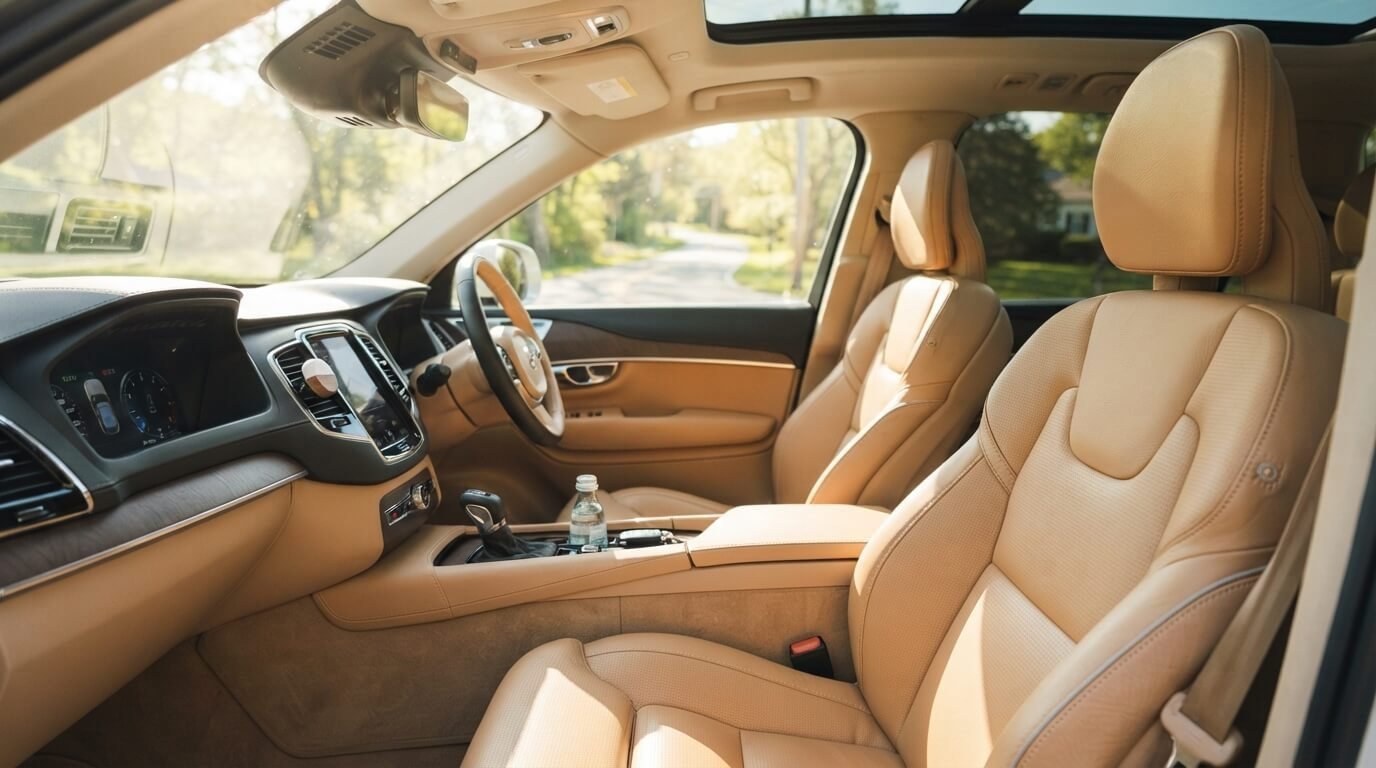
With leather, a different method is needed since drying out, cracking or fading can happen if it is not handled the right way. Using a pH-neutral leather cleaner with a microfiber cloth helps in removing dirt without stripping away natural oils. Once cleaning is done, a leather conditioner should be applied, which keeps the surface soft and stops cracking from happening later on, especially for vehicles that spend a lot of time sitting under direct sunlight.
Tackling Common Stains
- Food and drink spills: These should be blotted right away, then cleaned using a mixture of mild soap and water.
- Grease or oil marks: Baking soda or talcum powder can be sprinkled on to absorb the oil, then brushed away once it settles.
- Ink stains: A small amount of rubbing alcohol on a cotton swab works well here, but dabbing should be done instead of rubbing.
- Mud stains: Letting the mud dry completely first is important, then brushing and vacuuming, and treating whatever residue is left.
Before using any cleaning solution on the full seat, testing it on a hidden spot first can help avoid discoloration that was not expected.
Why Do Car Seats Still Smell After Cleaning
Most of the time, when a smell lingers, it means moisture got trapped inside the cushioning instead of staying on the surface only. Bacteria that grows in damp padding keeps producing smell even after the stain itself is no longer visible. Letting the seats dry all the way through, with windows or doors kept open in a space that has good airflow, usually clears up this kind of odor problem.
How Long Does It Take for Car Seats to Dry
The time it takes for seats to dry depends on things like humidity, the material itself, and how much moisture got used while cleaning. Fabric seats usually need a few hours in an area with good ventilation, while leather tends to dry quicker since it does not absorb as much liquid. Blotting the extra moisture with a dry microfiber cloth can also help the drying happen faster.
Is It Safe to Use a Steam Cleaner on Car Seats
For fabric upholstery, steam cleaning works quite well, since the heat helps in lifting dirt that is embedded deep and also helps sanitize the material. But for leather, this method is usually not recommended, because too much heat and moisture together can lead to cracking or fading with time. Fabric seats benefit the most from steam cleaning, especially when odors or stubborn stains are involved.
How Often Should Car Seats Be Cleaned
Cleaning the seats thoroughly every few months is usually enough to keep them in good shape under normal use. But if the vehicle carries children, pets or food on a regular basis, cleaning every four to six weeks might be needed to stop buildup from happening. A light vacuum done weekly also helps in reducing how often deep cleaning sessions are actually needed.
Knowing how to clean car seats properly really comes down to understanding what material the seat is made of, choosing the right products for it, and giving enough time for everything to dry completely. When cleaning becomes a regular routine, the interior keeps looking fresh, odors stay away, and the material stays protected from wear over the long run, making the ride more comfortable for everyone traveling in the car.