








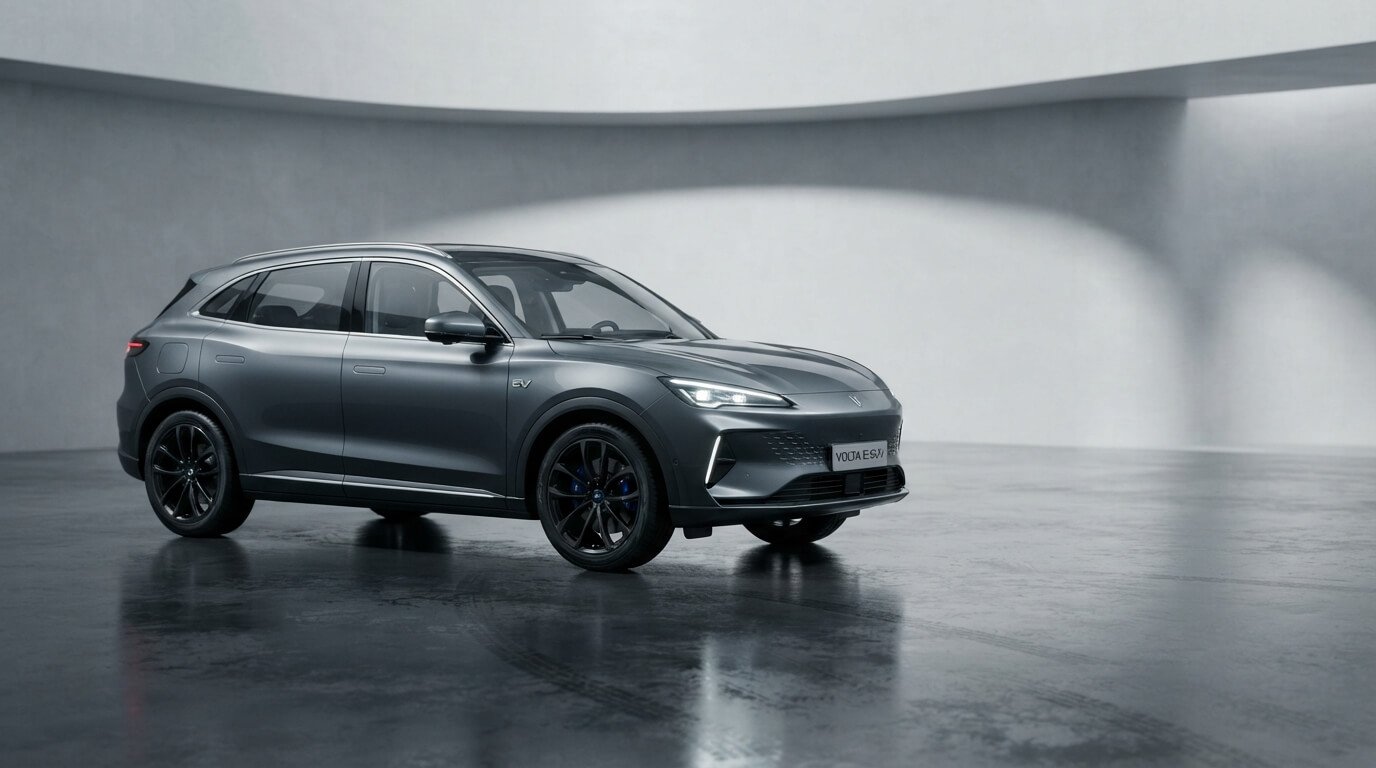
In the EV market, electric SUVs have now become the segment which is growing the fastest, and today they make up nearly half of all electric vehicle sales across Europe. For families, battery-powered crossovers, mid-size SUVs, and full-size 4x4s hold strong appeal, since they combine the practicality that a traditional SUV offers with the lower running costs which come with going electric. Because there are more electric SUVs on sale now than at any point before, picking the right one for your budget and your lifestyle has, in truth, become a genuinely difficult task. Below, you will find everything worth knowing before making a purchase.
What Makes a Great Electric SUV?
It is not simply the model with the largest battery, or the one with the flashiest infotainment screen, that makes for the best electric SUV. Rather, several areas need to be balanced together:
- Real-world range, one that covers your daily driving comfortably, without bringing on range anxiety
- Charging speed that is quick enough for road trips to remain practical
- Interior quality and practicality, meaning sufficient boot space and room for passengers during family life
- Ride and handling which stays comfortable across rough roads, yet without feeling too floaty
- Reliability, along with running costs that keep long-term ownership free of stress
- Value, considered against trim levels, standard equipment, and whether the car qualifies for government incentives such as the electric car grant
Top Electric SUVs to Consider
Compact & Small Electric SUVs
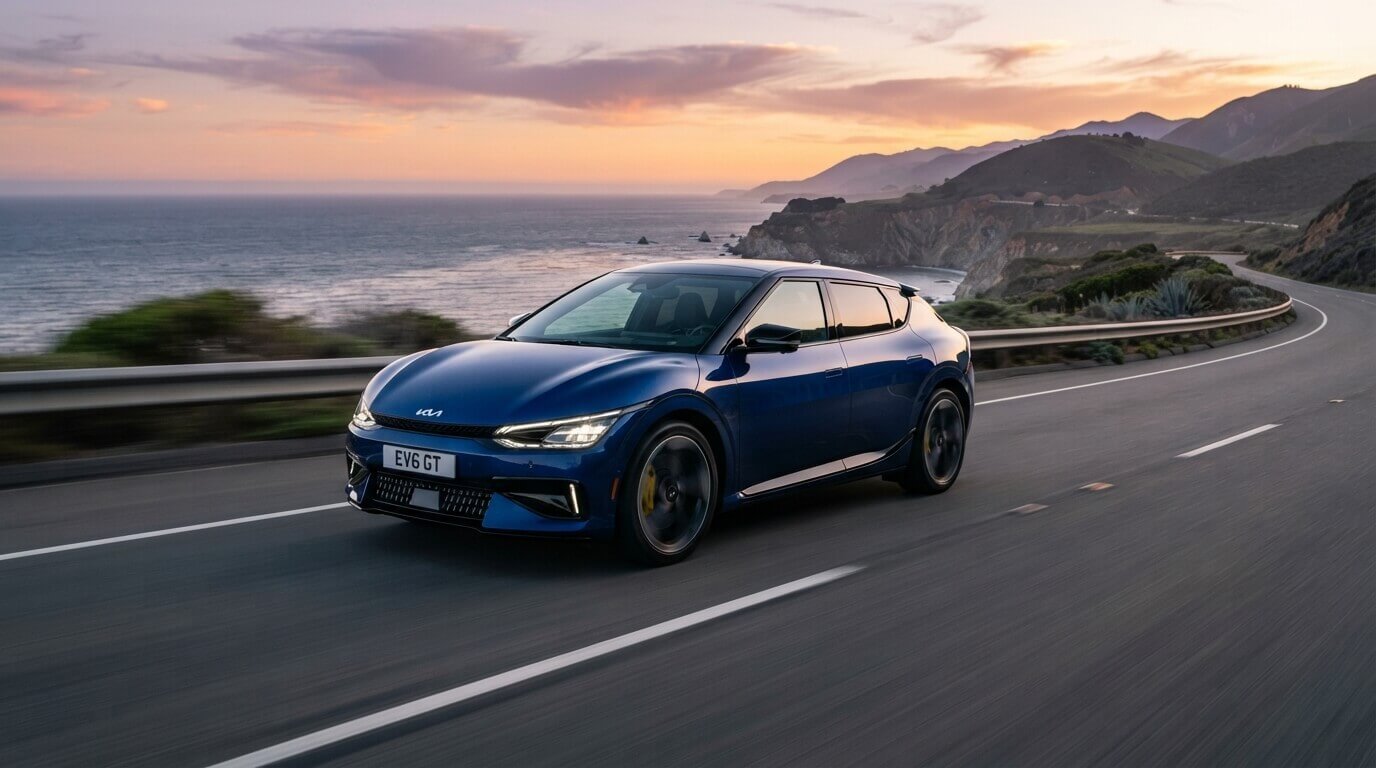
This category is dominated by models such as the Kia EV3, Skoda Elroq, Renault 4 E-Tech, Smart #1, and Volvo EX30. Officially, these cars tend to offer between 250 and 375 miles of range, along with strong standard equipment and pricing that, in most cases, qualifies for the UK’s electric car grant. Take the Kia EV3 as an example: in its Long Range form, it manages up to 375 miles, along with a brisk 0-62mph time of 7.5 seconds, whereas the Renault 4 undercuts most of its rivals on price while still remaining eligible for grant support.
Mid-Size Electric SUVs
Within the mainstream mid-size bracket sit the Skoda Enyaq, Genesis GV60, BMW iX3, and Tesla Model Y. What these cars manage to balance is range, somewhere between 285 and 500 miles depending on battery and motor configuration, together with fast-charging capability (some now reaching 400kW) and interior quality of a premium standard. Particularly notable is the latest-generation BMW iX3, which is built upon BMW’s new Neue Klasse platform and, in the process, has nearly doubled the range offered by its predecessor.
Large & Family Electric SUVs
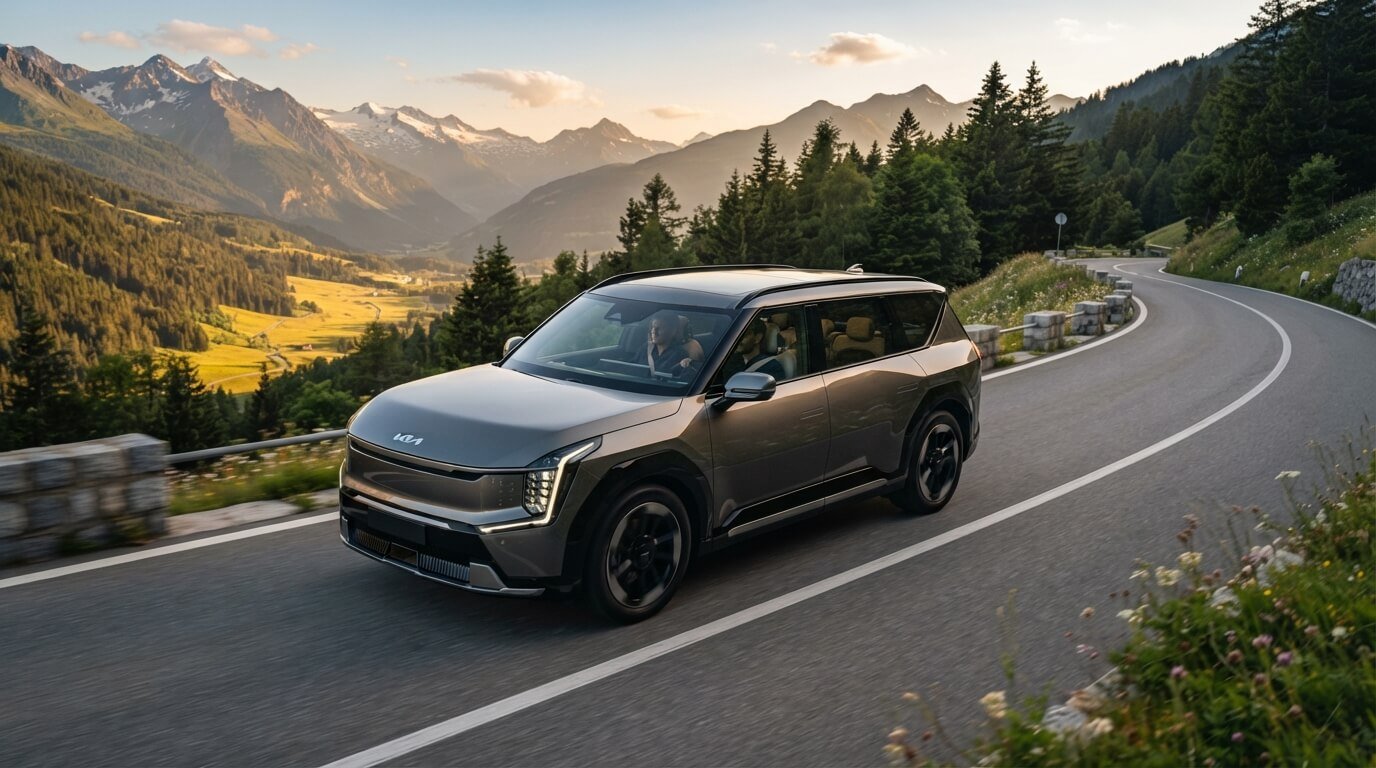
Buyers in need of seven seats, or of serious towing capability, will find the Kia EV9 and Mercedes-Benz GLB leading this pack. In its dual-motor form, the EV9 can tow as much as 2,500kg, while covering up to 349 miles on a single charge. Meanwhile, the electric GLB, built on an 800-volt architecture, offers up to 392 miles along with genuine practicality across seven seats.
Budget Electric SUVs
Among the cheapest electric SUVs currently on sale are the Vauxhall/Opel Frontera Electric and the Jeep Avenger, with prices starting from around £22,500 once grant deductions are applied. Range here is more modest, roughly 189 to 247 miles, though for city driving and shorter trips, these models still represent excellent value.
How to Choose the Best Electric SUV for You
How Much Electric Range Do You Need?
Officially, most electric SUVs manage around 250 miles, although in real-world conditions, range typically comes in 10 to 18 percent lower than the WLTP figure quoted, due to factors such as weather, driving style, and the condition of the battery. It is worth thinking honestly about your usual weekly mileage, rather than simply chasing whichever number looks highest on the spec sheet.
Can You Charge at Home?
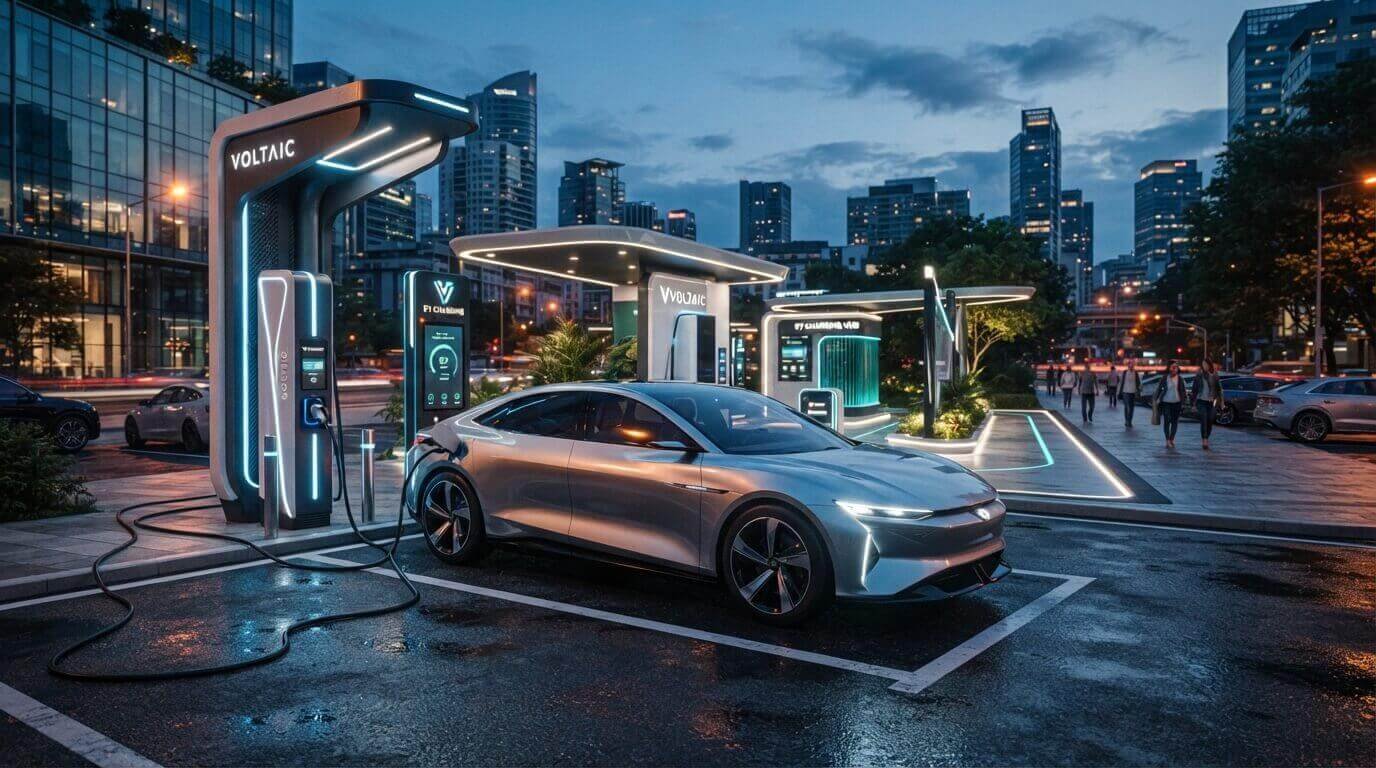
Charging via a wallbox at home tends to be both the cheapest and the most convenient way of running an electric SUV, especially when it is combined with a low-cost overnight energy tariff. Where home charging is not possible, it is worth checking for charging at your workplace, or relying instead on the public charging network. Apps such as Zap-Map can help with mapping out charging points and their speeds in your local area.
How Much Boot Space Do You Need?
Between different electric SUVs, boot space can vary quite significantly, largely depending on where the battery has been placed. Some models give up cargo room for the sake of battery packaging, while others come with a “frunk” (a front boot), or with dedicated underfloor storage meant for charging cables.
Do You Need to Tow?
Compared with earlier generations of EVs, today’s electric SUVs are far more capable as tow vehicles. That said, towing does reduce real-world range, by as much as 60 percent in some cases, so for anyone who regularly tows a caravan or a trailer, it makes sense to prioritise a model with a strong towing rating, while factoring in this loss of range.
What Charging Speed Do You Need?
It is worth aiming for a car that can charge at a minimum of 100kW, since this typically allows for a 10 to 80 percent top-up within around 30 minutes. On some of the newer platforms, charging speeds of 350 to 400kW are now supported, cutting this time down dramatically.
Electric SUV: Buy or Avoid?
It is worth considering one if:
- Charging is easily accessible to you, whether at home or at work
- SUV-level practicality is what you want, combined with lower running costs
- The car in question qualifies for the government’s electric car grant
It may be worth thinking twice if:
- Reliable access to charging is something you lack
- Heavy loads are regularly towed by you, or long daily distances are driven
- The lowest possible purchase price is what matters most to you (in some cases, ICE alternatives may still come in cheaper)
Frequently Asked Questions
Which electric SUV has the longest range?
In its top trim, the Fisker Ocean claims up to 440 miles, although it remains, in truth, a fairly rare sight on UK roads. Among the more mainstream options, models such as the Mercedes EQS SUV and the new-generation BMW iX3 offer genuine capability for long-distance driving.
Are electric SUVs reliable?
Reliability does vary depending on the manufacturer, though established EV platforms, particularly those from Tesla, BMW, and Kia, have built up strong track records over time. Before buying, it is always worth checking independent reliability surveys.
What’s the cheapest electric SUV?
Among budget-focused models, the Vauxhall/Opel Frontera Electric and the Jeep Avenger Electric offer the lowest entry prices, especially once government grants have been applied.
Will electric SUVs ever reach 500 miles of range?
This is likely, yes. Battery technology keeps improving, and several 2026 models, including the latest BMW iX3, already come close to, or even exceed, the 500-mile mark in their longest-range configurations. Over time, this is expected to become more common, though usually it will come at a price premium.
Ready to make the switch? Before booking a test drive, it is worth comparing official range, charging speed, boot space, and grant eligibility side by side. In the end, the right electric SUV depends as much on your lifestyle as it does on the spec sheet.