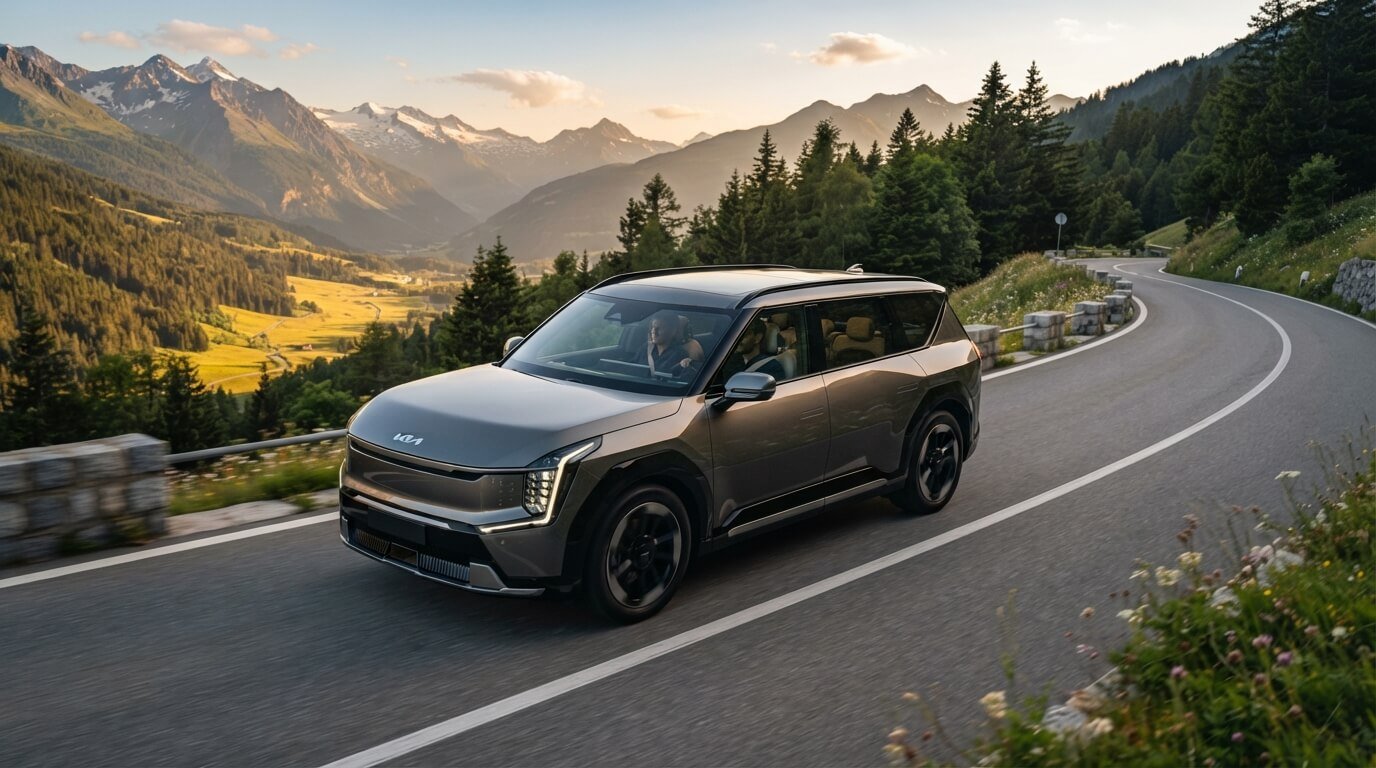









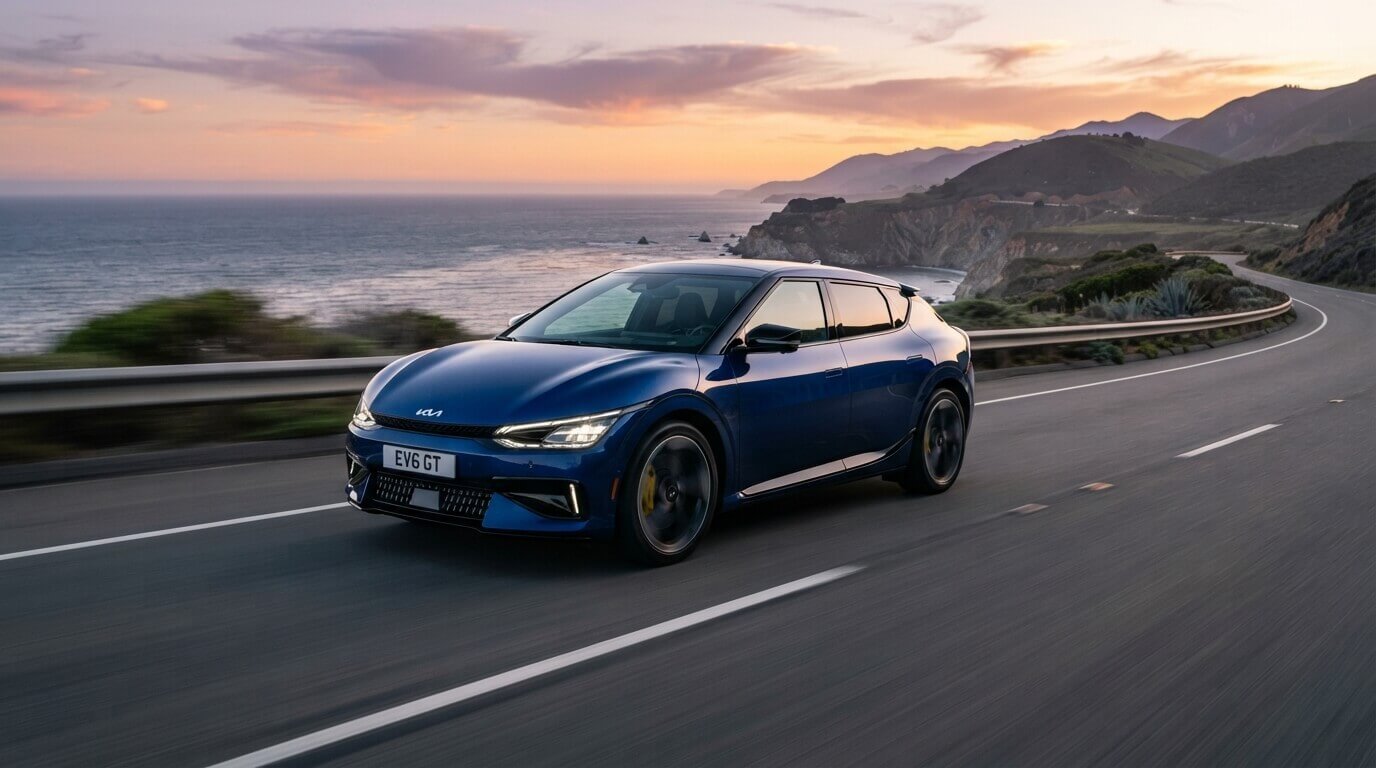
Built on a dedicated EV platform, an electric SUV like this one stands apart because it brings together long driving range, fast charging ability, and a cabin that feels spacious, all inside one compact crossover body. This answers the demand of many drivers who want an electric vehicle that feels premium, yet does not carry along with it a premium price tag. Because of this balance, it has turned into something of a benchmark for what a mid-size electric crossover is capable of offering, in terms of performance, efficiency and daily usability alike.
Electric SUVs that are built on platforms made specifically for them differ in a big way from those that are simply converted from combustion designs. Rather than taking an existing chassis and adapting it to hold a battery, a dedicated EV platform gets engineered from the very start around the battery pack, the motors and the electronics that support them. Through this approach, a flat floor becomes possible, along with a wheelbase that is longer relative to the total length of the car, and weight gets distributed in a better manner. What results from this is more usable space inside, plus handling that feels more balanced, since the heaviest part of the vehicle sits low and centered, instead of being fitted awkwardly into a space meant originally for an engine.
How Does the Battery and Motor Setup Work
In most modern electric crossovers, buyers get a choice between single motor and dual motor setups. When only one motor sits at the rear, the result is rear wheel drive, and this favors efficiency along with a lower starting price. Once a second motor gets added at the front axle, an all wheel drive setup is created, which brings better traction on wet or uneven roads, along with a rise in total power output. Battery capacity, depending on trim, tends to start around the low 60 kWh mark for base versions and climbs toward the mid 80 kWh range for those built for extended range, while power output can begin near 160 horsepower on entry trims and go well past 300 horsepower on the higher performance versions.
How Far Can an Electric Crossover Travel on a Single Charge
Range is something that depends heavily on several things together, battery size, motor setup, wheel size and the conditions under which someone is driving. Smaller battery packs, when paired with just a single motor, often make the most efficient use of energy, and in many cases this pushes past 300 miles under standardized test cycles. On the other hand, larger wheels, dual motor configurations and higher speeds all bring range down, sometimes in a way that is quite noticeable when compared against the official numbers. Driving through city conditions at lower speed usually returns better efficiency than sustained travel on the highway, mainly because aerodynamic drag rises sharply once speed increases, and this has a direct effect on how fast a battery gets used up.
How Fast Can These Vehicles Charge
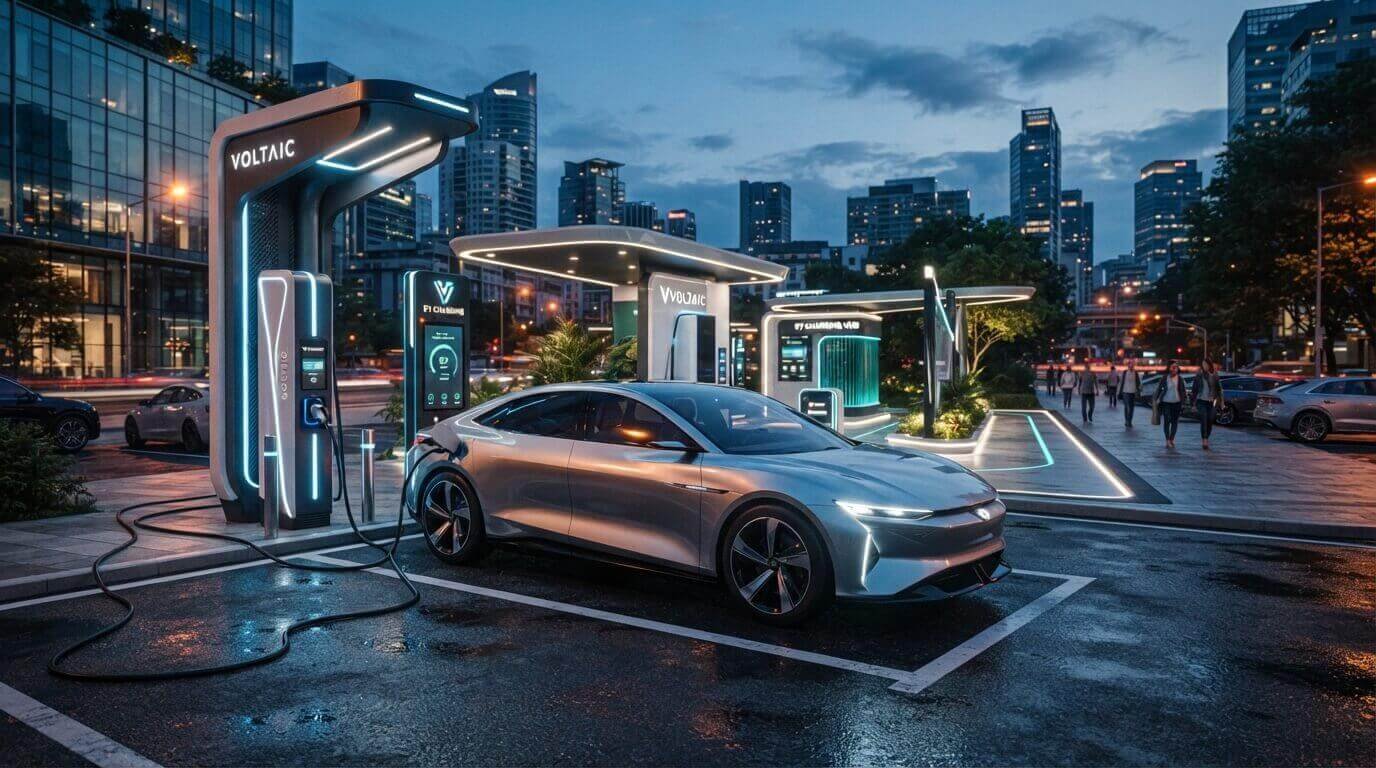
One advantage that comes from building on a dedicated EV platform is the support it gives for high voltage charging architecture, often built around an 800 volt system rather than the 400 volt setup found more commonly elsewhere. Because of this, a compatible fast charger is able to take a battery from around 10 percent up to 80 percent in as little as 18 minutes, so long as a public charging station with enough power is available nearby. When charging happens instead on a lower powered home or public charger, the same amount of charge can take several hours to complete, and this is exactly why charging speed matters most for long distance travel, more so than for the simple daily top up that happens at home.
What Makes the Interior Layout Practical
Because the battery pack sits beneath the cabin floor rather than being built around a transmission tunnel, a flat floor becomes achievable, and this frees up legroom along with storage that would otherwise get lost in a more conventional layout. Through this kind of design, a middle rear seat that is genuinely usable becomes possible, along with extra underfloor storage near the front console and additional foot space for those seated in the back. Cargo space in the rear boot generally falls somewhere between 450 and 500 liters when the seats are up, and this expands quite a bit once the rear seats get folded down flat. A smaller storage area under the front hood, often referred to as a frunk, adds a bit more room, mainly useful for charging cables, although it tends to stay modest in size when set against the main boot.
How Does It Perform on the Road
Ride quality along with handling in electric crossovers benefits greatly from having a low center of gravity, since the battery is placed beneath the floor instead of under the hood as in older designs. This tends to reduce how much the body rolls during cornering, while at the same time keeping the ride settled over surfaces that are rough. Regenerative braking systems give drivers control over how much energy gets recovered while slowing down, often adjustable using paddle controls, and in some systems this allows something close to one pedal driving, where simply lifting off the accelerator is enough on its own to slow the vehicle in a noticeable way. Several driving modes, usually covering eco, normal and sport settings, adjust how the throttle responds along with how energy gets used, depending on what a driver prefers at a given moment.
What Safety Technology Comes Standard
Electric SUVs built today commonly come fitted with a range of driver assistance features, things like forward collision warning paired with automatic braking, lane keeping assistance, and adaptive cruise control that adjusts its own speed based on the traffic around it, along with blind spot monitoring. Trims positioned higher up the range often bring in extras such as surround view cameras, parking assistance that works in an automated way, and driver monitoring systems built to catch signs of fatigue or distraction. Regulatory shifts across several regions have also pushed manufacturers toward including mandatory speed limit alerts along with lane centering technology as something standard, rather than leaving it optional.
Why Has This Category of Electric Crossover Gained Popularity
Buyers who are stepping away from combustion vehicles tend to look for a model that does not force major compromise, whether that is in space, comfort or how usable the car feels day to day. A compact electric crossover that brings strong range, quick charging and a cabin that is well packaged fills this gap in an effective way, appealing both to families who need space in the back seat and to individual drivers who place value on efficient travel over longer distances. Together, practical range numbers, support for rapid charging and a cabin that makes good use of its space have turned this category into something commonly recommended for drivers who are switching away from gas powered vehicles for the very first time.
What Questions Do Buyers Commonly Ask About This Type of Vehicle
Among the questions that come up often are ones about how battery degradation affects range over the long term, whether all wheel drive versions are worth their added cost through the traction improvement they bring, and how range in real world conditions compares against the figures given officially. Another question that gets asked frequently has to do with charging infrastructure and how available it actually is, since access to high power public chargers can vary a great deal depending on region, and this has a direct bearing on how practical fast charging really turns out to be in daily life. Questions about space inside the cabin usually center around whether comfort in the rear seats along with cargo capacity is enough for a family, particularly once folded versus unfolded cargo configurations get compared.
Taken all together, what makes an electric crossover like this stand out comes less from any single standout feature, and more from how its underlying platform, battery architecture and interior packaging work in combination with one another. Long range, fast charging and space inside that gets used in an efficient way, all combine to create a vehicle suited both to daily commuting and to journeys that run longer, and this makes it a strong example of just how far dedicated electric platforms have come along, within a relatively short stretch of time.