








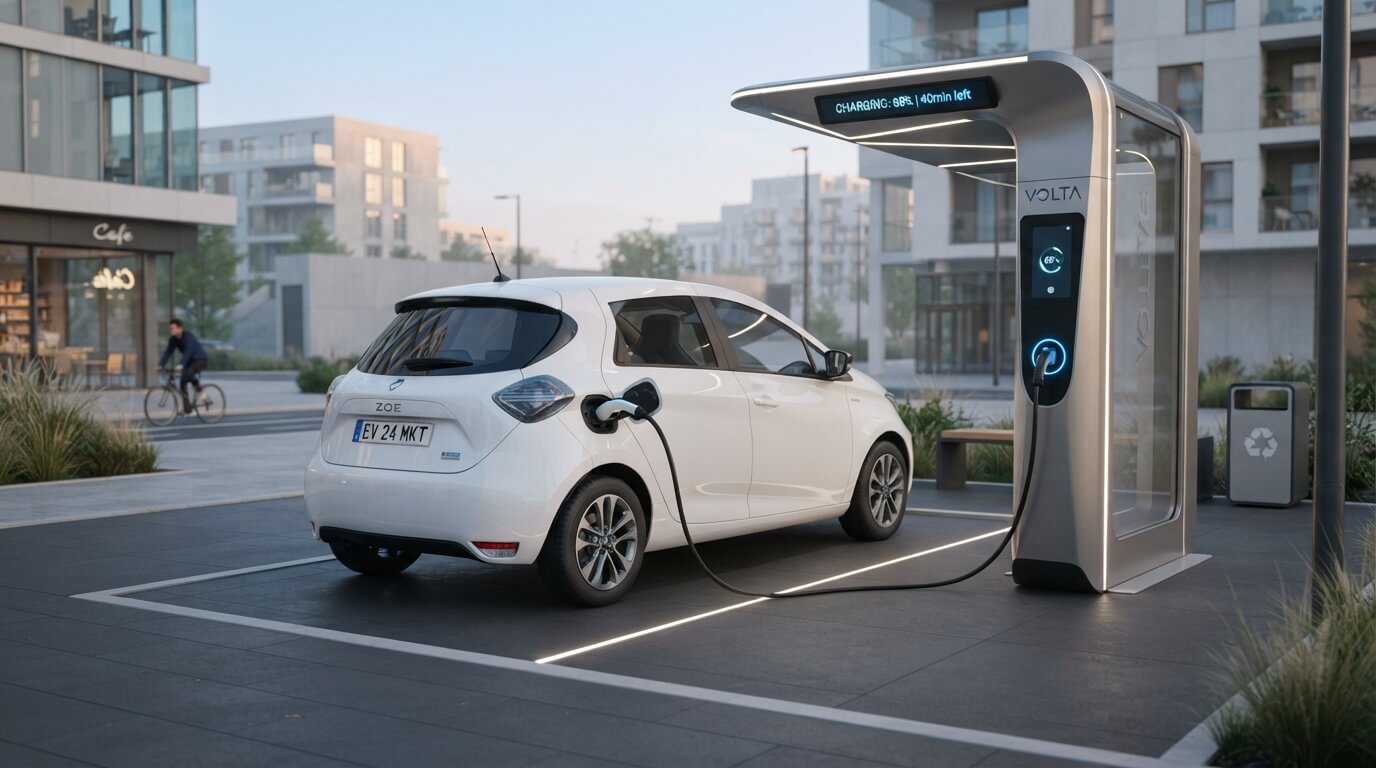
Small electric cars have quietly become one of the smartest ways into the EV world. Why? Because they cost less to buy, they cost less to keep running, and honestly, parking one is just easier. Battery and motor tech has moved on so much in the last few years that these cars are not really the compromise people still imagine them to be. Maybe you drive through a ULEZ zone every day and want that free pass. Maybe this is going to be your very first EV. Or maybe, like a lot of us, you are simply done circling the block hunting for a parking spot at 6pm. Whatever brought you here, this guide covers most of what actually matters before you sign anything.
Why Small Electric Cars Make Sense
An electric motor does its best work in exactly the kind of place small cars were built for, and that place is the city, not the motorway. Torque from an electric motor arrives the moment you press the pedal, so these small EVs feel quick off the line, and in traffic that keeps stopping and starting every few seconds, regenerative braking earns its keep even more. There is also this thing people worry about too much, range anxiety, but when most of your driving stays under 30 miles a day, it barely becomes an issue at all.
Small electric cars, almost without exception, bring a similar set of upsides:
- Running costs stay low. Charge at home and your cost per mile drops well below what petrol or diesel would cost you.
- Free entry into emissions-controlled zones. ULEZ is the obvious one here.
- Tighter turning circles, so parking stops being a fight.
- Quieter cabins, noticeably so compared to a petrol supermini of similar size.
- Lower prices than bigger EVs, and government grants often shave off even more.
But nothing comes free, does it? Smaller battery packs mean shorter range, full stop. And if you end up leaning on public charging instead of a home charge point, that cost advantage everyone talks about can disappear faster than you’d think.
What to Look For When Buying a Small EV
Before jumping into specific models, a few numbers are worth understanding properly, because these are the ones that actually shape day-to-day life with the car.
| Spec | Why It Matters |
|---|---|
| Battery size (kWh) | Bigger usually means longer range, though the price climbs with it |
| WLTP range vs real-world range | Official figures lean optimistic, expect 15-25% less once you’re actually driving |
| Charging speed (kW) | Decides how quickly you top up on a rapid charger |
| 0-62mph time | A rough but useful stand-in for how nippy the car feels around town |
| Boot space & rear legroom | Varies more than you’d expect between cars of similar size |
| Euro NCAP rating | Not all equal, especially near the cheaper end of the segment |
Top Small Electric Cars Worth Considering
Best All-Rounder: Renault 5 E-Tech
Retro looks on the outside, properly modern EV underneath, that’s the Renault 5 in one line. Google Maps and Assistant come built into the infotainment, the ride is comfortable, and the bigger battery gets you close to 250 miles WLTP. It’s basically become the benchmark of this class. Deservedly so, if you ask me.
Best for Space: Hyundai Inster
Small on the outside. Surprisingly clever on the inside. That’s the Inster’s whole trick, really, sliding rear seats, a flat floor, and a boot that’s genuinely usable rather than just there for show. Good pick if practicality matters more to you than driving thrills.
Best for Driving Fun: MINI Cooper Electric
Sharp steering, that familiar go-kart feel the brand built its name on, both carry over well into the electric version. Range on the bigger-battery SE has also gone up a fair bit lately. Rear seats are still tight though, no getting around that.
Best Budget Pick: Leapmotor T03 or Dacia Spring (with caution)
Budget the top priority? The Leapmotor T03 undercuts almost everything else here, and by quite a margin too. One thing though, cheaper EVs sometimes skimp on safety, so check the Euro NCAP score before you commit. A few budget models genuinely fall short there.
Best for Comfort: Citroën ë-C3
Soft ride, roomy cabin for the class, comfort clearly came first in the design brief here. If sharp handling isn’t really your priority, this one probably suits you better than most.
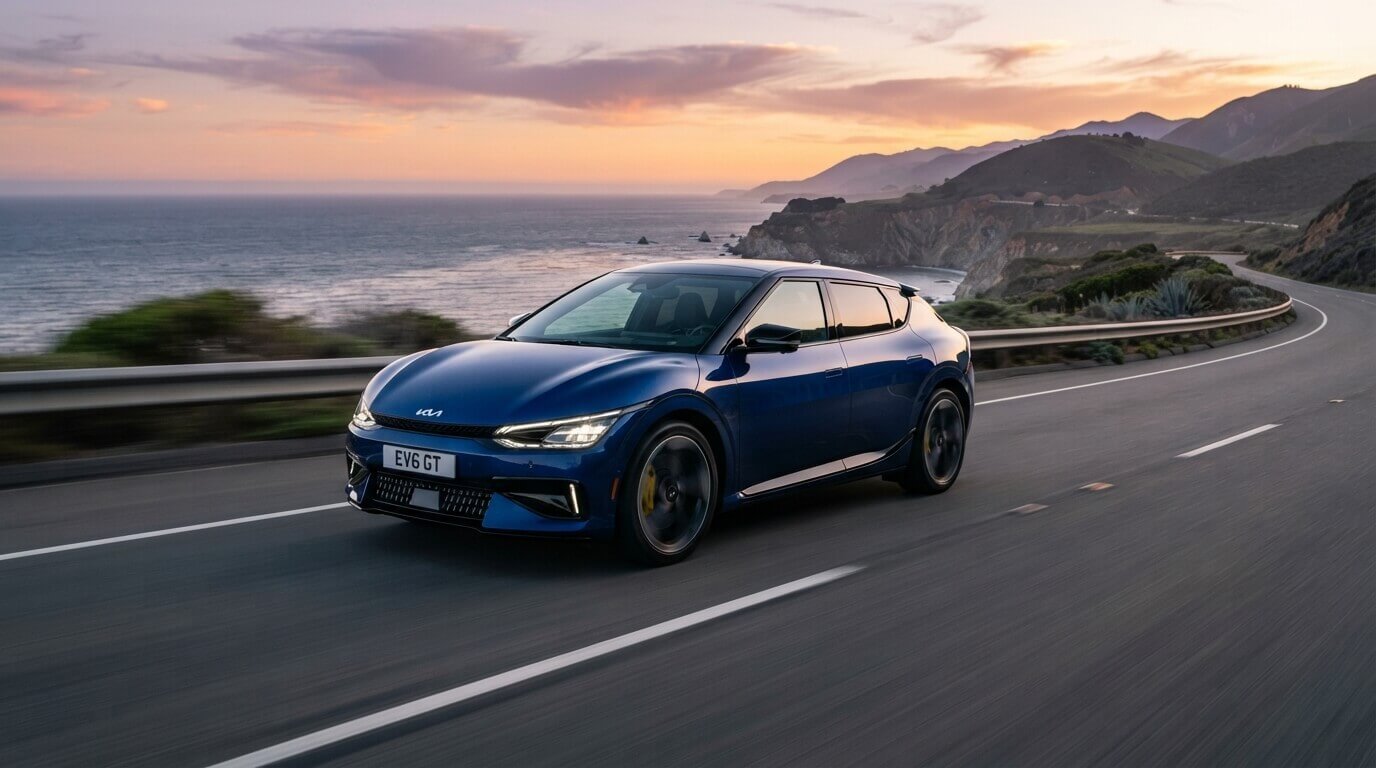
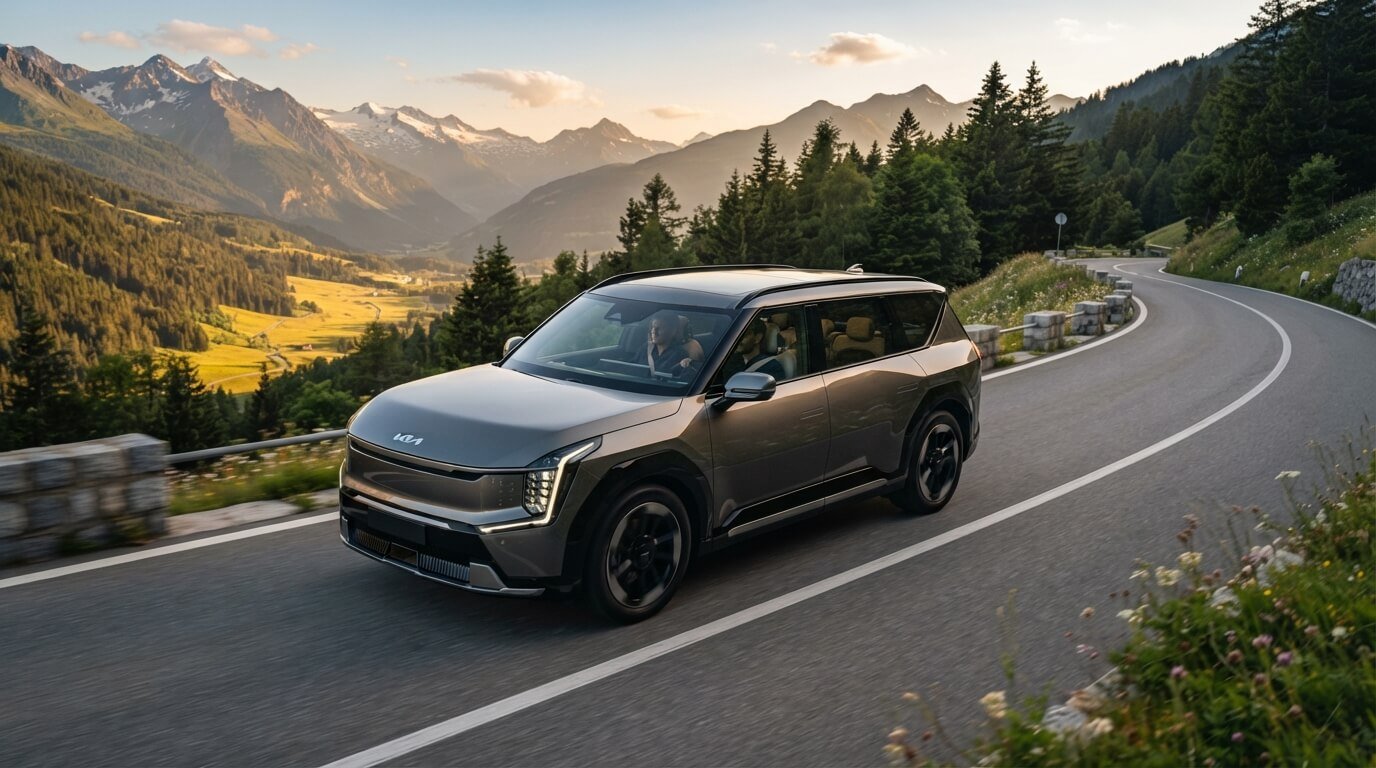
Best “Grown-Up” Small EV: Kia EV3 or Cupra Born
Both sit at the larger end of what still counts as “small,” with space that starts creeping toward SUV territory and up to 375 miles of range on the bigger battery. Small-EV efficiency, without giving up too much on longer drives.
Small Electric Cars Beyond the City: Low-Speed Vehicles
Not every small electric car wants anything to do with motorways. Low-speed vehicles, LSVs for short, the GEM e2 being a good example, are classified federally as street-legal EVs built for local trips, campus routes, and gated communities rather than open roads. Top speed caps out around 25mph, the body stays compact, and running costs can go as low as $0.03 per mile. A different niche entirely within the small EV world, one built for short hops, not daily commutes.
Frequently Asked Questions
Are small electric cars reliable?
For the most part, yes. Fewer moving parts than a combustion engine, and while battery degradation is real over time, most manufacturers now back their packs with 7 to 8 year warranties. New or nearly new, reliability isn’t something you should lose sleep over.
What is the smallest electric car you can buy?
The truly tiny ones actually sit in the quadricycle category, the Citroën Ami being the obvious example. Among proper cars though, the Fiat 500 Electric and Hyundai Inster are about as compact as it gets.
Are small EVs good for city driving?
This is where they genuinely shine. Torque handles stop-start traffic without breaking a sweat, and since most trips stay well within city limits anyway, a shorter range rarely becomes a real problem in practice.
Do small electric cars hold their resale value well?
Depends heavily on the model, honestly. Cars with strong demand, the Renault 5 being one, tend to depreciate slower than niche or budget alternatives. Worth checking reliability surveys and depreciation forecasts before you buy, not after.
Final Thoughts
The small electric car segment has grown up fast, faster than most people expected, if we’re being honest. What used to be a category defined by compromise now offers real variety: budget city runabouts on one end, near-premium hatchbacks pushing past 300 miles of range on the other. Your pick really comes down to what you value most, range and practicality (Hyundai Inster, Kia EV3), driving enjoyment (MINI Cooper Electric, Cupra Born), value for money (Leapmotor T03), or just overall balance (Renault 5). Whatever you choose, check real-world range and Euro NCAP scores yourself. Don’t just take the headline numbers at face value.