








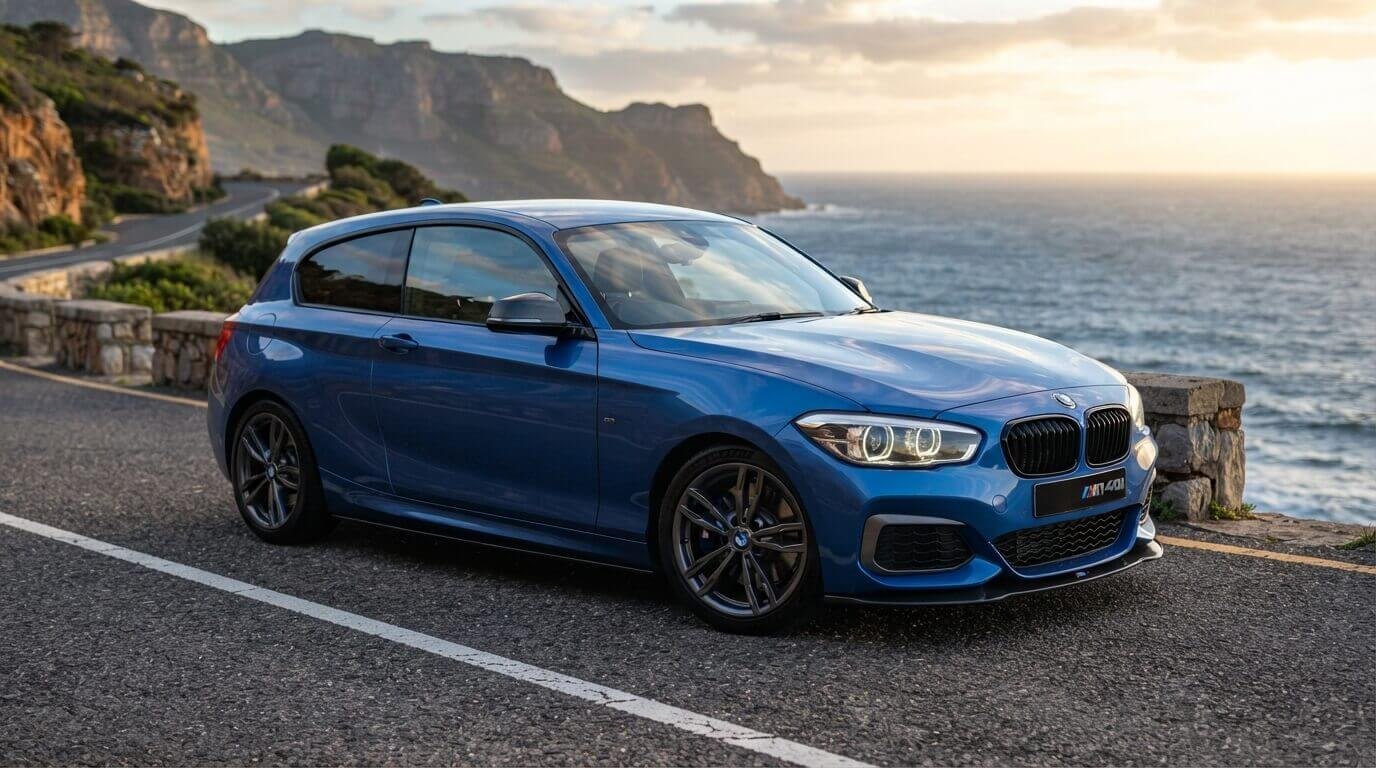
BMW 140i was a rear-wheel-drive hot hatch, built around a turbocharged straight-six engine, and even today it remains one of the most discussed performance hatchbacks that BMW has ever produced. During a time when nearly every rival was moving toward smaller turbocharged four-cylinder engines with all-wheel-drive systems, BMW chose a different route entirely. The formula stayed simple in their hands: a large engine placed up front, power going only to rear wheels, and a chassis that was tuned more for feel than for chasing big numbers. This one decision is exactly why people are still searching about this car, years after it stopped being made.
If this car has come to your attention while reading about hot hatches or classic BMW models, you are likely curious about what made it special, how it actually performed on road, and why enthusiasts still talk about it so much. In this article, all of that gets explained in simple words, without turning things into a sales pitch.
What Made the BMW 140i Different From Other Hot Hatches
Most hot hatches from that era relied on four-cylinder engines combined with all-wheel drive, aiming for maximum grip and fast lap times. BMW’s engineers, however, went a different way with this model. Rather than focusing on outright numbers, their attention went toward driving feel. Rear-wheel drive was kept, which is quite rare for a hatchback body, and it was paired with a smooth six-cylinder engine rather than a rougher four-cylinder unit.
Because of this combination, the car developed a character that felt much closer to a proper sports car than an average family hatch. Being the fastest car in a straight line was never really the goal here. The real goal was engagement, especially on twisty roads, where balance and steering feedback matter far more than horsepower written on a spec sheet.
The Engine and Performance Story
A 3.0-litre turbocharged straight-six engine sat under the bonnet, producing 335bhp along with 368lb ft of torque. This made it one of the biggest engines ever fitted into a hot hatch during that period, even larger than some five-cylinder competitors. In real driving conditions, this translated into a 0-62mph time of around 4.6 seconds when paired with the automatic gearbox, a figure that beat several dedicated sports coupes from the same generation.
What made this engine stand out was not only its power output but the way that power got delivered. Even with turbocharging involved, the engine felt smooth and linear in its response, almost like it was naturally aspirated, and its soundtrack is something many owners still describe as one of the best within its class. Buyers had a choice between a six-speed manual for a more hands-on experience or an eight-speed automatic that offered quicker and sharper gear shifts.
How the BMW 140i Drives
Driving character sat right at the center of what this car was about. Multiple drive modes came included, starting from a relaxed Eco setting suited for daily commuting, all the way to sharper Sport and Sport+ settings meant for more spirited driving. In its softer modes, the car acted like any comfortable, practical hatchback would. But switching over to Sport+ transformed things completely, bringing sharper throttle response, a louder exhaust note, and loosened traction control that finally let the rear-wheel-drive chassis show its true nature.
Steering feel deserves a special mention too. It stayed precise without ever feeling twitchy or nervous, which gave drivers confidence whether cruising on motorways or attacking back roads. This remains one of the biggest reasons enthusiasts continue to rate this car so highly. A lot of modern performance cars put straight-line speed above everything else, but this particular model always put connection between driver and road first.
Why Did BMW Stop Making the 140i?
This question comes up quite often once people learn more about this car. As emissions regulations kept tightening, it became increasingly difficult to justify the straight-six, rear-wheel-drive hot hatch formula. Eventually, BMW shifted its smaller hatchback range onto a front-wheel-drive platform that was shared across other models in the lineup, and that shift made a large six-cylinder, rear-driven engine layout practically impossible to continue.
Put simply, this car belonged to a very specific era, one where manufacturers could still build niche performance models without efficiency targets controlling every single decision. Once that particular era came to an end, this formula ended along with it.
Is the BMW 140i Still Relevant Today?
Yes, it still is, and this is a big part of why interest around it continues. BMW’s newer performance hatchbacks have since moved toward four-cylinder engines paired with all-wheel-drive systems, improvements that help with efficiency and grip in all weather conditions, but something of the raw character gets lost along the way. For driving enthusiasts who care about engine sound, rear-wheel-drive balance, and a more analog connection behind the wheel, nothing currently in BMW’s hatchback range manages to replicate that feeling.
Its relevance today comes more from rarity of formula than from outright performance numbers. Newer cars are undeniably faster and more advanced in terms of technology, yet very few of them still combine a six-cylinder engine with rear-wheel drive inside a hatchback body.
How Does the BMW 140i Compare to Its Rivals?
Back during its production years, the closest competition came from the Audi RS3 and the Mercedes-AMG A45, both offering higher power figures thanks to their all-wheel-drive setups. Volkswagen Golf R was another major rival, well known for being a more rounded, family-friendly performance hatchback.
Even though the Audi and the Mercedes could accelerate faster on paper, neither one offered the same level of rear-wheel-drive engagement that this car provided. The Golf R, on the other hand, felt more practical and secure during poor weather but lacked that same emotional connection through the steering wheel. That is why comparisons involving these cars usually boil down to one simple question, do you want outright speed with all-weather security, or do you want something more engaging and driver-focused. This particular BMW leaned firmly toward the second answer.
Final Thoughts
BMW 140i holds a special place in automotive history, not because it topped every single performance chart, but because it stayed loyal to a driving philosophy that most manufacturers had already left behind. A big six-cylinder engine, rear-wheel drive, and a chassis tuned for feel over raw grip gave it a personality that genuinely feels hard to find in today’s market. Whether curiosity brought you here or you are comparing it against modern hot hatches, understanding what made this car so unique helps explain why people still talk about it with so much respect, years after it disappeared from showrooms.